REVIEW · ZURICH
St. Gallen Foxtrail Columban
Book on Viator →Operated by Foxtrail Schweiz · Bookable on Viator
A fox hunt through St. Gallen’s streets. The Foxtrail Columban turns the city into a scavenger-style puzzle route, mixing sightseeing with hands-on problem solving and playful technical clues. I also love that it stays doable with a built-in helpline when the fox gets too clever, even while the puzzles can feel genuinely challenging. The only real drawback is that a few steps may drag a bit if your group wants nonstop brain work.
In about 2 hours 30 minutes, you’ll follow the virtual trail, decode hidden messages, and keep moving as a team. It’s designed for moderate walking, and you’ll return to the start point near Bahnhofplatz when you finish.
In This Review
- Key things to know before you go
- Foxtrail Columban: a city game with real momentum
- Meeting at Bahnhofplatz and finishing back where you started
- The trail’s “fox rules”: team spirit beats brute force
- Stop-by-stop experience: what each “mission” feels like
- 1) Opening phase: getting the hunt rolling near the station square
- 2) The manuscript hunt: finding long-forgotten clues
- 3) The telecom-surveillance puzzle: when the fox gets technical
- 4) SBB signals and the ancient branch-line logic
- 5) The finale beat: bait, the cuckoo, and the last secret
- Difficulty and pacing: tricky but usually fair
- Price and value: $44.36 for a thinking walk with support
- Who should book Foxtrail Columban (and who should skip it)
- Stuck? Use the help system and keep the day fun
- Nearby transit and practical comfort matters
- Want a harder or different trail? Good comparisons
- FAQ
- FAQ
- How long does the Foxtrail Columban take?
- Where do you start and where do you finish?
- Is it private or shared with other groups?
- What fitness level do I need?
- What if we get stuck on a puzzle?
- Is it dependent on weather?
- Should you book Foxtrail Columban in St. Gallen?
Key things to know before you go
- Story-driven scavenger hunt: You’re not just wandering—you’re chasing the fox through a sequence of clues.
- Hands-on puzzle steps: Expect tasks tied to manuscripts, codes, and signal-style logic.
- Built-in help if you stall: A free helpline exists for moments when you can’t get unstuck.
- Old-town walking route: The game leads you through the city center, with lots of turns and side paths.
- Time estimate to plan: Many groups finish in roughly 120–140 minutes, even though the route is listed at about 2.5 hours.
- Private for your group: Only your group participates, so you can move at your own pace without sharing space.
Foxtrail Columban: a city game with real momentum
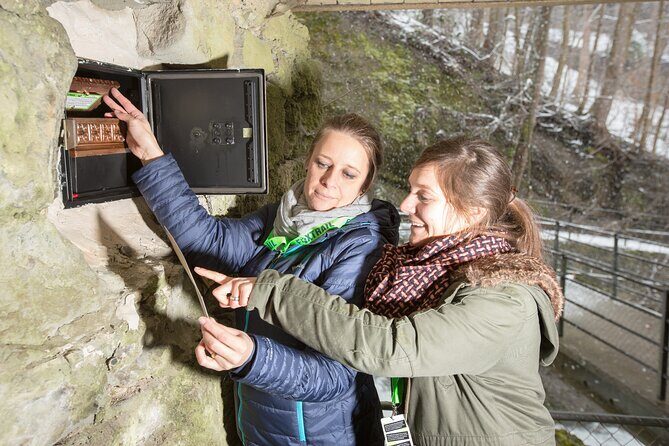
Foxtrail games are part sightseeing, part scavenger hunt, and part escape-room logic—minus the locked room. You’re given a mission, then your job is to find what the trail asks for and solve what it reveals. If you like learning a city by doing, not just looking, this format fits well.
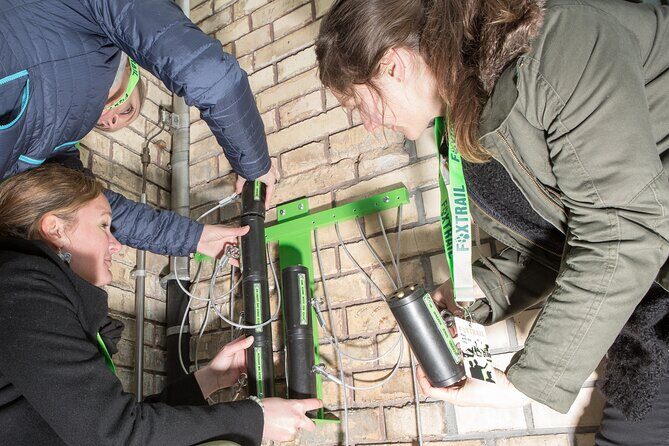
In St. Gallen, the Columban trail leans into “mission tech” rather than simple word riddles. You’ll run into clue types that feel like you’re investigating something bigger than a typical treasure hunt: finding long-forgotten manuscripts, working through a telecom-surveillance-style puzzle, and using signal-themed logic to move the story forward. That variety is a big reason the experience scores so highly.
If you're still narrowing it down, here are other tours in Zurich we've reviewed.



Meeting at Bahnhofplatz and finishing back where you started

The start and end are both at Bahnhofplatz, St. Gallen (Bahnhofpl., 9000 St. Gallen). That’s a practical detail that makes planning easier. You don’t need to figure out a second drop-off or guess how you’ll get back afterward. You also know the route is built as a loop or a return-to-base plan.
The game is listed at around 2 hours 30 minutes, but it’s smart to plan with flexibility. Many teams report wrapping up in 120–140 minutes. That usually means your group is comfortable solving puzzles and doesn’t spend too long stuck on one step. If your team likes to chat and brainstorm, you might land closer to the longer end of the estimate—or use the help line to keep the day moving.
The trail’s “fox rules”: team spirit beats brute force
This isn’t a solo game. It’s built around team spirit, skill, and intelligence, and that shows in how clues are designed. One person spots what the route is pointing to. Another person reads the message carefully. Someone else tries the logic. If you divide roles, you keep the pace up.
You’ll also want to accept one reality up front: the fox isn’t always polite. Some puzzle steps can be tricky enough that you’ll want the puzzle help available via the system. The good news is that there’s a free helpline if you can’t find your way to the next post. That keeps the experience from turning into a frustrating scavenger march.
Stop-by-stop experience: what each “mission” feels like
You don’t get a simple hopscotch tour where every stop is equally scenic. Instead, the route works like chapters. Each chapter adds a new puzzle style and a new layer of story.
1) Opening phase: getting the hunt rolling near the station square
Right away, the game sets you up to think like investigators. You’ll start at Bahnhofplatz, then follow the fox trail through streets toward the old-town feel that the route is known for. Expect the first clue to be more about learning how the trail works than testing your brainpower.
Why this matters: a strong opening helps you avoid that common “What do we do?” start that ruins scavenger games. Here, the structure pushes you to get moving quickly and start solving within minutes. The downside is that if your group hates puzzles and wants pure sightseeing, you might feel impatient early on.






2) The manuscript hunt: finding long-forgotten clues
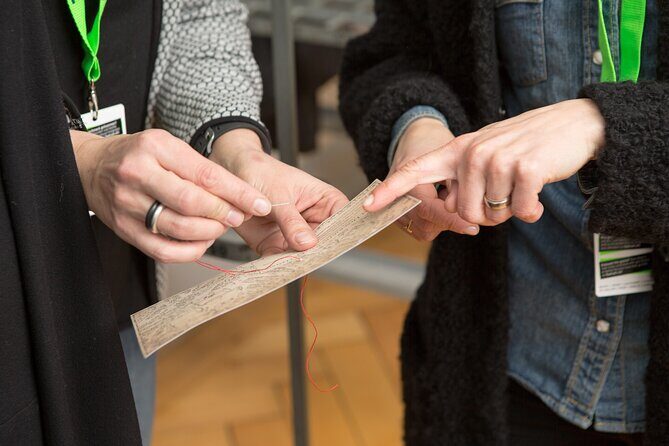
One of the standout elements is the focus on long-forgotten manuscripts. This isn’t just a theme sentence. The trail’s clues are built to lead you to specific “message” moments—places where you can find the written piece that advances your mission.
What makes this enjoyable: it turns everyday street-level details into story objects. Instead of walking past old facades, you’re actively looking for something tied to the plot. That’s why the route feels like you’re learning the city in a new way, even if you think you already know St. Gallen.
Possible drawback: manuscript-style puzzles can feel slower if your group likes fast momentum. If you want constant high-energy problem solving, be ready to switch gears—because some steps may test patience more than quick thinking.
3) The telecom-surveillance puzzle: when the fox gets technical
The Columban trail also includes a “hack into surveillance” type of moment. In other words: you’ll solve a clue that feels like it’s about information systems and watching patterns, not just simple codes. It’s one of the more technical highlights in the route’s concept.
Why it’s valuable: it brings variety to the brain work. Instead of repeating the same puzzle type over and over, you’ll likely face a logic challenge that asks you to interpret signals from the clue trail itself. That variety is what keeps it from feeling like a single-note quiz walk.
Watch-out: technical-style clues can be intimidating if your group expects lighter puzzle work. The good counterweight is the support system—when you hit a wall, you can ask for help and get back on track instead of burning half the afternoon.
4) SBB signals and the ancient branch-line logic
Another highlight uses SBB signals to direct a train to an ancient branch line. Even if you’re not a train nerd (no shame), the game uses that concept to build a puzzle mechanism: interpret a signal, follow the logic, and move the story forward.
How this plays in real life: signal puzzles usually reward careful reading and pattern thinking. If your team has someone who likes order, steps, and sequences, this part can be a strong payoff moment. If your team prefers free-form wandering, this may feel like a “thinking stop,” so bring your best puzzle energy.
Potential drawback: if you’re the kind of person who wants to take photos at every corner, signal puzzles may pull your attention away from scenery for stretches. It’s still worth it, but it changes the pacing.
5) The finale beat: bait, the cuckoo, and the last secret
The story closes with a “with the right bait” idea and a cuckoo reveal. That’s a very Foxtrail move: you don’t just collect information—you trigger the final piece through the clue logic the trail has built.
What to expect emotionally: the ending is often where teams feel the most satisfaction, because you’ve chained together multiple puzzle types. You’ll likely end the route feeling like you solved a series of interconnected mini-missions, not just “found some answers.”
The only thing to be aware of: if your group expects a final reveal that’s pure sightseeing, the last step may still be puzzle-forward. This trail is still fundamentally about solving.
Difficulty and pacing: tricky but usually fair
This trail tends to land in the “tricky but doable” zone. Some puzzle steps can be tough enough that you’ll need help to avoid stalling. That’s not a flaw—it’s part of why the trail feels rewarding when it clicks.
Still, the pacing can be uneven. One common sentiment is that a couple posts may feel almost too slow or boring, depending on your group’s tolerance for reading and thinking through clue mechanics. If you’re with friends who want nonstop action, plan for some stretches that are more brain than photo.
A practical tip: go in with a team mindset. If you spread out tasks—spotting, reading, testing ideas—you reduce the odds that everyone gets frustrated at the same time.
Price and value: $44.36 for a thinking walk with support
At $44.36 per person for about 2 hours 30 minutes, you’re paying for more than a route. You’re paying for:
- a structured game flow,
- puzzle design across different “mission styles,”
- and the comfort of a free helpline if you can’t progress.
That support can be a big part of the value. Without help, puzzle hunts often turn into wasted time. With help available, the experience stays fun even when a clue is stubborn.
Where it can feel less valuable: if your group refuses puzzles, or if you’re traveling with people who dislike being “on the hook” to solve something, you may feel you paid for a format you didn’t fully enjoy. But if your group likes games and problem solving, the price starts to look reasonable fast.
Who should book Foxtrail Columban (and who should skip it)
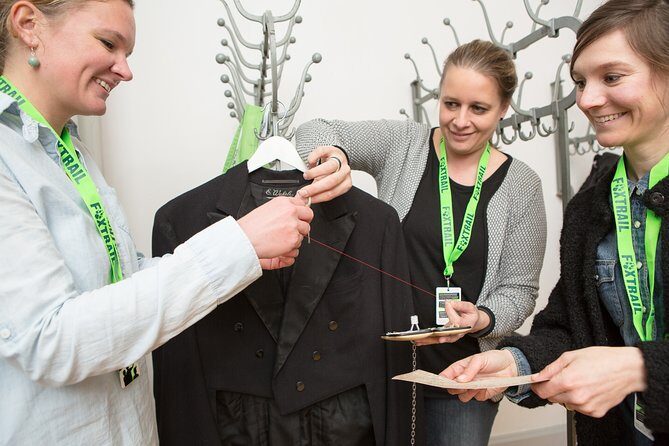
This is best for you if:
- you like scavenger hunts that teach you a city through problem solving,
- you enjoy logic puzzles and hidden-message style clues,
- you want a shared activity that keeps everyone busy, not just watching a guide.
This is less ideal if:
- your group hates puzzles and wants a straightforward sightseeing walk,
- you want a purely scenic, stop-for-photos tour with no “mission” structure,
- you’re expecting the difficulty to be light the whole time.
On the other hand, it’s a solid option for families with children who enjoy puzzles, because the trail is built to make kids feel included through surprising clue moments. Just keep expectations realistic: it’s not a “press button, walk 10 meters, win” type of game.
Stuck? Use the help system and keep the day fun
The trail isn’t meant to become a puzzle grudge match. If you can’t get further, you can call the free helpline and get back on track. That’s important for group morale. It also prevents you from losing your whole afternoon to one missing clue.
If you’re the kind of group that hates asking for help, still keep it in mind. Use it when the team consensus is sliding from curiosity into frustration. That way the experience stays focused on discovery.
Also, the game is outdoors walking plus reading. If you’re traveling with moderate physical fitness, plan for steady strolling and frequent stops. It’s not described as extreme, but it is active.
Nearby transit and practical comfort matters
The experience is described as being near public transportation, which is handy. If you’re juggling one or two other plans in St. Gallen, you can usually fit it in without building your whole day around transportation.
Service animals are allowed, and the tour is private for your group, which often helps pacing. With a private setup, you don’t feel rushed by strangers trying to get past the same puzzle stop.
One more practical note: the experience requires good weather. If conditions are poor, you’ll be offered a different date or a full refund. In Switzerland, that matters, and it’s better to plan with weather flexibility than to hope for perfect skies.
Want a harder or different trail? Good comparisons
If you finish this one and want more challenge, the provider points to other Foxtrails as options: Trail Rosalie in Winterthur and Trail Baccara in Rapperswil. That’s useful guidance because it suggests Columban sits in a range where some people find it tricky but still manageable—and others want a bit more puzzle weight.
FAQ
FAQ
How long does the Foxtrail Columban take?
It’s listed at about 2 hours 30 minutes.
Where do you start and where do you finish?
You start at Bahnhofplatz (Bahnhofpl., 9000 St. Gallen) and the activity ends back at the same meeting point.
Is it private or shared with other groups?
It’s a private tour/activity, so only your group participates.
What fitness level do I need?
The experience notes a moderate physical fitness level.
What if we get stuck on a puzzle?
There’s a free helpline you can call to get back on track if you can’t get further.
Is it dependent on weather?
Yes. It requires good weather. If it’s canceled due to poor weather, you’ll be offered another date or a full refund.
Should you book Foxtrail Columban in St. Gallen?
If you want a fun way to see the city while exercising your brain, book it. This trail’s biggest strength is the variety: manuscripts, technical-style puzzles, and signal logic, all stitched into a story about tracking a cunning fox.
You might want to think twice only if your group is puzzle-averse or expects a classic sightseeing tour with no problem-solving. If that sounds like you, you’ll probably spend more time wanting the game to end than enjoying the clues.
For most people, though, the combination of a loop route from Bahnhofplatz, a strong puzzle structure, and a help option when you’re stuck makes this one of those activities that turns a simple afternoon into an actual mission.