REVIEW · ZURICH
Zurich: Exclusive Swiss Banking Tour with a Local
Book on GetYourGuide →Operated by LocalBini AG · Bookable on GetYourGuide
One street, many secrets.
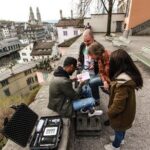
This 1.5-hour private Zurich banking tour is built around walking the city while your local guide explains how Switzerland became a global banking powerhouse. You start right in the banking heart and keep moving through the places where deals happen, and where bankers historically grabbed coffee and drinks.
What I like most is the focus on real Zurich landmarks tied to finance: Bahnhofstrasse and Paradeplatz are the obvious anchor points, but the guide also weaves in lesser-known “banking spots” that feel more personal than a standard city walk. I also love the way the tour links old money habits to today’s street-level Zurich, including the fact that some high-end boutiques used to be prestigious banks.
One drawback to plan for: this is a walking experience, not a vault-and-doors-at-the-front-of-the-line program. If you’re hoping to enter bank interiors or see a secure archive in person, you may leave wanting more access and more visuals.
In This Review
- Key highlights to look for
- Starting at Credit Suisse: the fastest way to get the story right
- Bahnhofstrasse: where finance hides in plain sight
- Paradeplatz: the square where business energy concentrates
- The tour’s secret sauce: ancient banking spots and old-to-new clues
- How Swiss banking became a powerhouse (without turning into a lecture)
- What you’ll do during the 1.5 hours (and what you won’t)
- Price and value: $258 per person is for story-led travelers
- Who this tour suits best (and who should skip it)
- Booking checklist: small decisions that change your experience
- Should you book this Zurich Swiss banking tour?
- FAQ
- How long is the tour?
- Where do I meet the guide?
- Is this a private tour or a group tour?
- What languages are offered?
- What’s included in the price?
- Is the tour accessible for people with mobility impairments?
Key highlights to look for
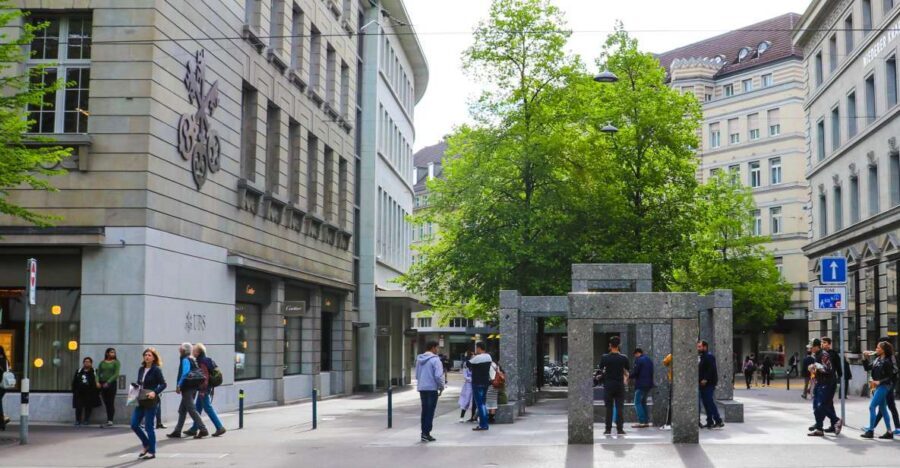
- Credit Suisse meeting point puts you straight into the banking district mindset from minute one
- Bahnhofstrasse and Paradeplatz give you the main geometry of Zurich’s financial center
- Old banking locations disguised as everyday shops and streets helps you notice the past in plain sight
- Local anecdotes about deals and daily life makes the history feel grounded, not textbook-only
- Small group (up to 8) keeps the pace conversational and easier to adapt
- English or German means you can match the guide’s language without losing nuance
Starting at Credit Suisse: the fastest way to get the story right
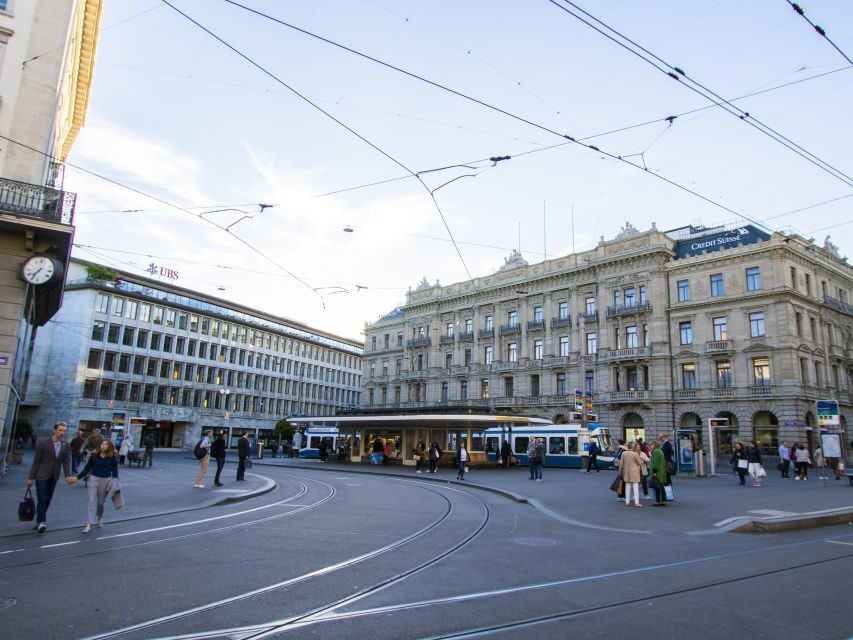
The tour begins right in front of the Credit Suisse building. That might sound like a normal meeting point, but it matters. You’re not easing into the theme. You’re dropped into it. Within moments, your guide can set context for why Zurich developed this reputation and how the city’s banking identity shows up in streets, entrances, and everyday routines.
In practice, this kind of start also helps you orient quickly. Zurich can feel composed and polished from the outside, but once you’re standing in the banking district, you start seeing patterns: where wealth gathered, where professionals moved, and how the city’s layout supports business life. If you like history that’s visible at street level, this works.
And it’s private or a small group, so the guide isn’t competing with lots of voices. You get a better chance to ask follow-ups and steer the walk at a comfortable pace.
If you're still narrowing it down, here are other tours in Zurich we've reviewed.



Bahnhofstrasse: where finance hides in plain sight
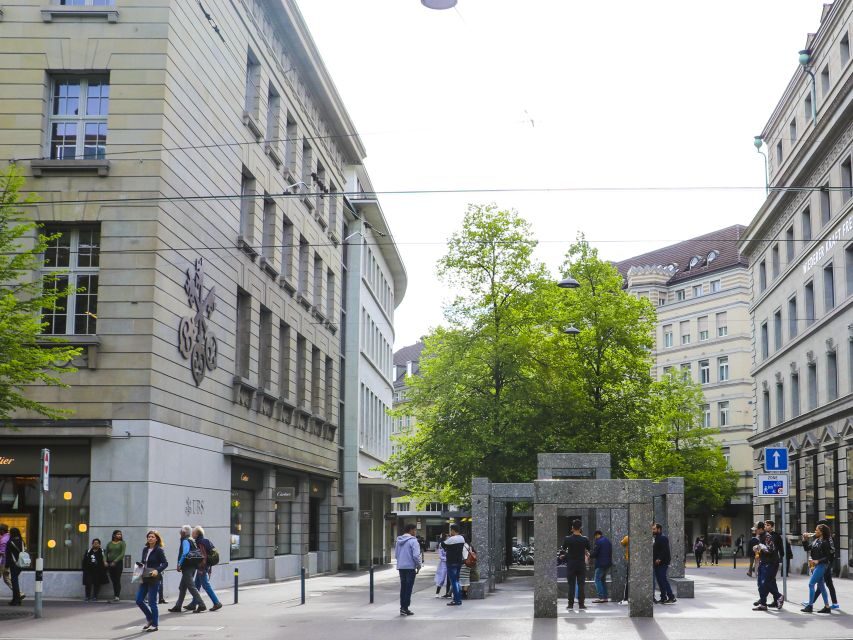
Bahnhofstrasse is the classic Zurich shopping street, so it’s easy to think it’s only about boutiques and window displays. That’s exactly why it’s such a smart stop on this tour. Your guide uses the street to show how places that look commercial now can have deep roots tied to banking and finance.
I like how this turns you into an active observer. Instead of just walking, you start noticing the details you’d otherwise ignore: building frontages, the feel of the area around key intersections, and how the rhythm of foot traffic fits professional schedules. Even if you don’t know anything about Swiss finance going in, Bahnhofstrasse helps you connect the theme to something you can immediately see.
One thing to keep in mind: depending on timing and your guide’s approach, you may not get inside any formal bank spaces. The value here is the street-level storytelling—learning what used to be there and why it shaped the city’s banking culture.
Paradeplatz: the square where business energy concentrates
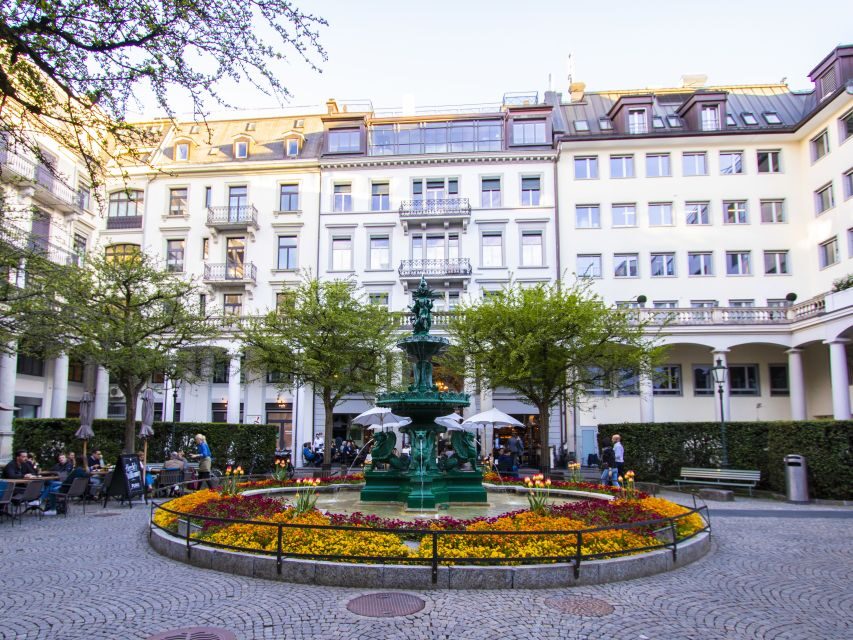
Next comes Paradeplatz, which is Zurich’s financial square in a single, walkable snapshot. Even if you’ve never studied Swiss banking, you’ll feel the difference the moment you’re there. The space is built for purposeful movement, not wandering.
Your guide focuses on how this area connects Zurich’s banking life with politics and the international role Switzerland built over time. The tour is designed to connect dots, not just name institutions. That’s the key difference between a basic walking tour and this one: you’re shown how the city’s banking presence influenced wider Swiss influence.
This part is also where the tone often shifts from “history lesson” to “why it mattered.” If you’re the kind of traveler who likes to understand causes—how reputation forms, how business ecosystems develop—Paradeplatz is a good place to feel that momentum.
A practical note: it’s a square in the center of things, so wear shoes that handle lots of sidewalk time. You won’t be standing around for long, but 1.5 hours adds up quickly in the wrong footwear.
The tour’s secret sauce: ancient banking spots and old-to-new clues
The highlights mention other ancient secret banking spots beyond the big landmarks. That’s where the experience can become genuinely fun. Your guide isn’t only pointing out famous buildings; they’re trying to show you the “forgotten corners” of the banking story—places where the past is still traceable if you know what to look for.
This is also where I think the tour’s concept shines: you explore the places where Swiss bankers dine, drink, and make deals. Those are the social details most city tours skip. They matter because banking is not only paperwork and vaults. It’s relationships, meetings, and routine. If your idea of history is how people actually lived and worked, these kinds of anecdotes tend to stick.
You’ll also hear how the banking scene evolved and why Zurich became such an important hub. The tour frames this as an eye-opening walk: the city becomes a map of the banking world, not just a backdrop.
How Swiss banking became a powerhouse (without turning into a lecture)
The tour promise is clear: your local guide explains how and why Switzerland became the world’s banking powerhouse. Since this is a walking experience, the information is delivered in a city-to-street way. You’re not stuck in one spot listening for long stretches.
From a traveler’s point of view, this format works best when the guide can tell stories that connect historical developments to visible surroundings. The tour is described as informative and eye-opening, and several highly rated experiences fit that pattern—especially for people who want context linking Swiss banking to broader international influence.
At the same time, I’ll be honest about the risk. Some feedback has flagged that the tour may feel less special if you expected indoor access, high-production visuals, or a schedule aligned with bank opening hours. The good news: if you’re not expecting vault tours, the street-level narrative can still feel worth it.
So go in with the right mindset:
- You’re buying perspective more than access.
- You’re paying for a local’s ability to connect finance to Zurich’s streets.
- You’re getting a compact, 90-minute themed walk, not a deep museum-style program.






What you’ll do during the 1.5 hours (and what you won’t)
Here’s the practical reality of the time: 1.5 hours in Zurich goes fast, especially if you’re walking through concentrated areas like Bahnhofstrasse and Paradeplatz. This tour is designed to keep moving while stopping long enough to absorb the story.
Included is straightforward: a guided walking tour with a local. Not included: food or drinks, and any personal expenses. That means you should plan to grab refreshments before or after.
Also, stops can vary based on weather, and the itinerary adapts to interests and walking pace. That’s a plus if you like flexibility. It’s also a reminder that you might not see the exact same sequence every time.
One more important point: entry tickets for transportation, museums, and monuments are excluded. If your ideal “banking tour” includes ticketed sites, you may need a different type of experience for that part.
Price and value: $258 per person is for story-led travelers
At $258 per person for a 1.5-hour private walking tour, the value depends on what you want most.
If you’re looking for:
- a local guide who can explain the Swiss banking story in human terms,
- a focused walk through the core finance areas,
- and street-level connections (like boutiques that used to be banks),
…then this can feel like a solid use of time. You’re essentially buying a concentrated, guided narrative you can’t easily recreate on your own in the same compact window.
If you’re hoping for:
- entry into banks,
- vaults,
- or a more visual, curated “show-and-tell” experience,
…then you may feel the price is steep. One concern raised is that the tour might not be timed for banks to be open and that visual materials can be less impressive than expected.
My advice: match the purchase to your expectations. For many travelers, this is worth it because you get a guided perspective on Zurich’s finance identity without spending hours in museums. But it’s not a substitute for an access-heavy, ticket-based banking museum experience.
Who this tour suits best (and who should skip it)
This is a good fit if you:
- like finance history but want it explained through city life,
- enjoy walking and short, themed itineraries,
- appreciate insider anecdotes about how professionals operate,
- and you’re happy to learn from streets rather than paid entry spaces.
It may not be the best fit if you:
- need physical access to interior banking sites,
- want a heavy visual presentation or a museum-style program,
- or you’re sensitive to the fact that guide quality can heavily shape the experience.
Also, it’s not suitable for people with mobility impairments. The tour is a walking format with city surfaces and typical walking constraints.
Booking checklist: small decisions that change your experience
Before you book, I’d set yourself up for a smooth walk:
- Wear comfortable shoes. You’ll be on sidewalks for the full 1.5 hours.
- Dress for Swiss weather. Your guide may adjust stops if conditions change.
- Bring a curious mindset, not a checklist of bank interiors. This experience is about interpretation and context.
- If you speak English or German, choose the language option that lets you catch details the first time.
Finally, read the tour as what it is: a compact walking story about Zurich and banking culture. That framing keeps expectations fair.
Should you book this Zurich Swiss banking tour?
If you want a focused, street-based introduction to Swiss banking history—tied directly to Zurich’s most famous finance locations—this is a promising choice. The best versions feel like you’re walking with someone who knows how to connect the dots between Zurich’s buildings, professional life, and Switzerland’s international financial reputation.
I would not book it if your top priority is entering bank buildings or seeing secure interiors. Also, given the mixed feedback on informativeness and professionalism, treat the guide quality as a key variable—choose this mainly if you enjoy narrative city walks and can appreciate a learning style that stays outside.
If that matches your travel style, you’ll likely enjoy the way Bahnhofstrasse and Paradeplatz turn into more than landmarks: they become part of a coherent story.
FAQ
How long is the tour?
The Zurich Swiss banking tour lasts 1.5 hours.
Where do I meet the guide?
Meet right in front of the Credit Suisse building.
Is this a private tour or a group tour?
It’s private or small groups available, with a maximum group size of up to 8 travelers.
What languages are offered?
The live guide speaks English and German.
What’s included in the price?
You get a guided walking tour with a local.
Is the tour accessible for people with mobility impairments?
No. The experience is not suitable for people with mobility impairments.