REVIEW · ZURICH
City tour Zurich with the city whispers from CHF 21.00
Book on Viator →Bookable on Viator
Zurich has whispers under your shoes. This walk mixes above-ground landmarks with underground Roman stories and gives you a real sense of how Zurich grew, not just photos for the feed. I also love the brisk, small-group pace that keeps you moving without rushing past the good stuff, though the cobblestones, inclines, and a few steps can be a deal-breaker if you’re dealing with limited mobility.
I like that you start at Zurich HB Bahnhofplatz, the easy train hub where you’ll already be on your first day. The tour runs in English, uses a mobile ticket, and feels built for orientation: you leave knowing which streets matter, which churches to notice, and why the old town looks the way it does.
Expect to walk a lot through central Zurich and mix church squares, river-side alleys, and underground passages in about 1.5 to 2 hours. It’s also priced as a guided experience rather than a self-guided museum visit, so you’ll get the best value if you enjoy being told stories while you move.
In This Review
- Key highlights if you like your history with a twist
- Why Zurich’s old town feels like a living timeline
- Zurich HB Bahnhofplatz: the railway history you’ll notice afterward
- Bahnhofstrasse: an expensive shopping street with a purpose
- Lindenhof Hill and the underground origins of Zurich
- Schipfe 51 Jackson: a surprise stop that makes you pay attention
- Münsterhöfli and the Frau(m)ünster area: history around the church frontage
- Wasserkirche: Zurich city saints and the secrets you can sense
- Niederdorf and the Ehgraben underground: medieval necessities, literally
- Grossmünster: Reformation in Zurich with Zwingli at the center
- Pace, walking reality, and what to wear
- Price and value: what $106.35 buys you
- Who should book this City Whispers Zurich walk
- Should you book City Whispers in Zurich?
- FAQ
- How long is the City Whispers Zurich city tour?
- What language is the tour offered in?
- Where does the tour start and end?
- Are there admission fees for the stops?
- Is this a private tour?
- Can I cancel for a full refund?
Key highlights if you like your history with a twist

- Underground stops with Roman and medieval themes you won’t see from street level
- City-center route that hits major sights fast while still showing detours
- Church and Reformation context tied to real places like Grossmünster and key sites nearby
- A small-group feel with time for questions and a conversational guide
- Story-driven surprise moments (including a stop at Schipfe 51 Jackson)
- Stops with free admission tickets during the tour segments
Why Zurich’s old town feels like a living timeline
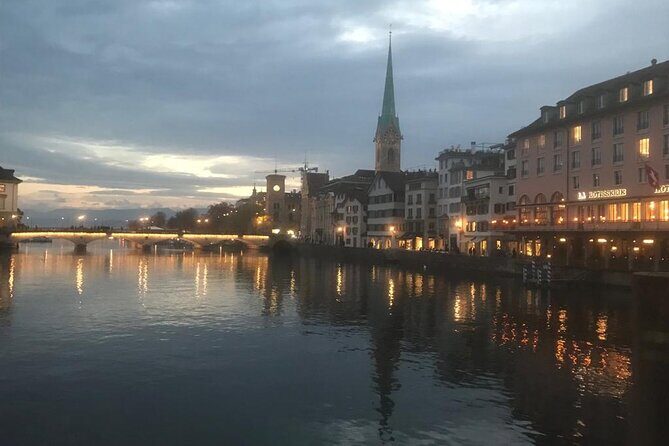
Zurich can look neat and polished from above, like everything is tidy and modern. This tour reframes the city as layered: trains, trading streets, churches, and ordinary daily life all stacked on top of older Zurich.
I like the approach because you’re not stuck at one viewpoint. You keep walking, and the guide links each stop to the next era, so you actually remember the sequence.
Other Old Town and walking tours in Zurich



Zurich HB Bahnhofplatz: the railway history you’ll notice afterward
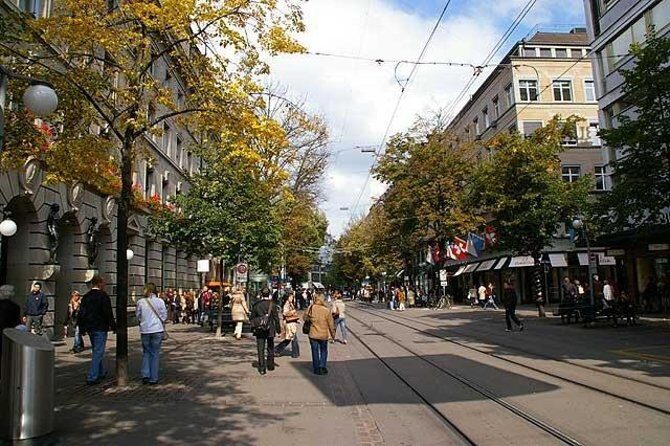
You begin at Zurich HB Bahnhofplatz, where the city’s current rhythms are loud and obvious. The first stop is about the history of the railway, and it matters because Zurich’s growth accelerated with connections—people and goods moving in and out, faster than before.
Even if you’re not a rail nerd, this gives you context for why Zurich feels like a hub. After that, the old town doesn’t feel random; it feels connected to the station grid and the way the city expanded.
Bahnhofstrasse: an expensive shopping street with a purpose
Next comes Bahnhofstrasse, one of those streets you’ll hear about whether you shop or not. Here you get the story behind one of Europe’s most famous shopping streets, not just the price tags.
This stop is useful because it trains your eyes. You start seeing the street as infrastructure and commerce, not just a place to window-shop, and you understand how the city monetized its central position.
Lindenhof Hill and the underground origins of Zurich
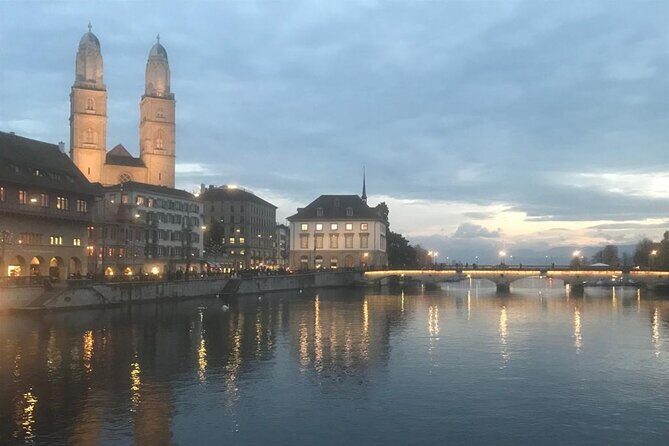
At Lindenhof Hill, the tour starts turning from street-level sightseeing to the kind of Zurich you can’t guess from the sidewalk. You go underground and learn about Zurich’s origins, which helps explain why certain areas matter even if they look quiet today.
This is a highlight for a reason: it changes the pace and makes history physical. One of the strongest impressions from guides on this route is that the underground sections add the “how did people actually live here” layer, not only dates and big names.
Practical note: you should expect stairs and a bit of stepping around here. The tour has a lively walking rhythm, and the underground portions are a change of texture and footing—handy shoes are your friend.
Schipfe 51 Jackson: a surprise stop that makes you pay attention
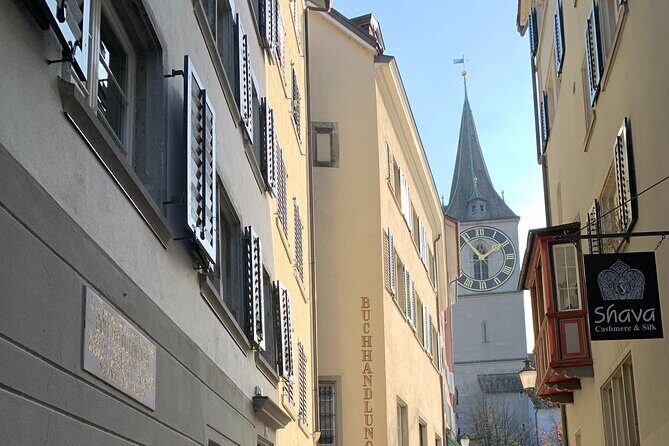
Then you hit Schipfe 51 Jackson, framed as a place with a story that might not be obvious from passing it. The point of this stop is the feeling of discovery: you learn what happened here and why it’s worth noticing.
I like stops like this because they break the pattern. You’re not just moving through famous landmarks; you’re learning why the city has unexpected corners and why some locations get their own mini-legend.
Other city bus and sightseeing tours in Zurich






Münsterhöfli and the Frau(m)ünster area: history around the church frontage

From there, the tour moves toward Wirtsstube Münsterhöfli, with time focused on Frau(m)ünster and the history of the Münsterhof area, plus information about nearby houses. Churches in Zurich aren’t just pretty exteriors; they’re anchors for neighborhoods, power, and architecture.
This stop helps you connect what you see outside with what you’re hearing. You’ll be less likely to treat the church district like a single photo stop, and more likely to look at the surrounding streets as part of the same story.
Wasserkirche: Zurich city saints and the secrets you can sense
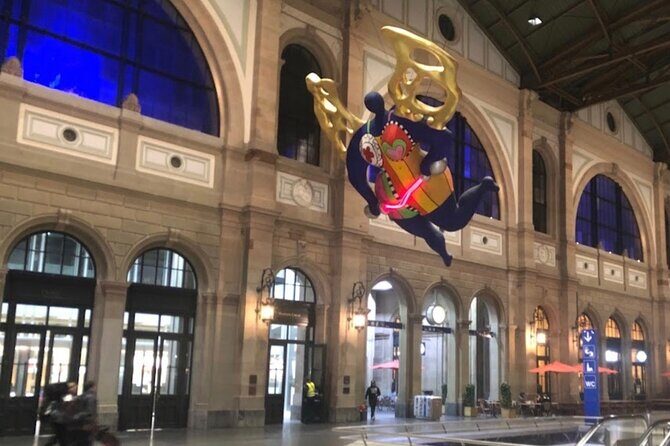
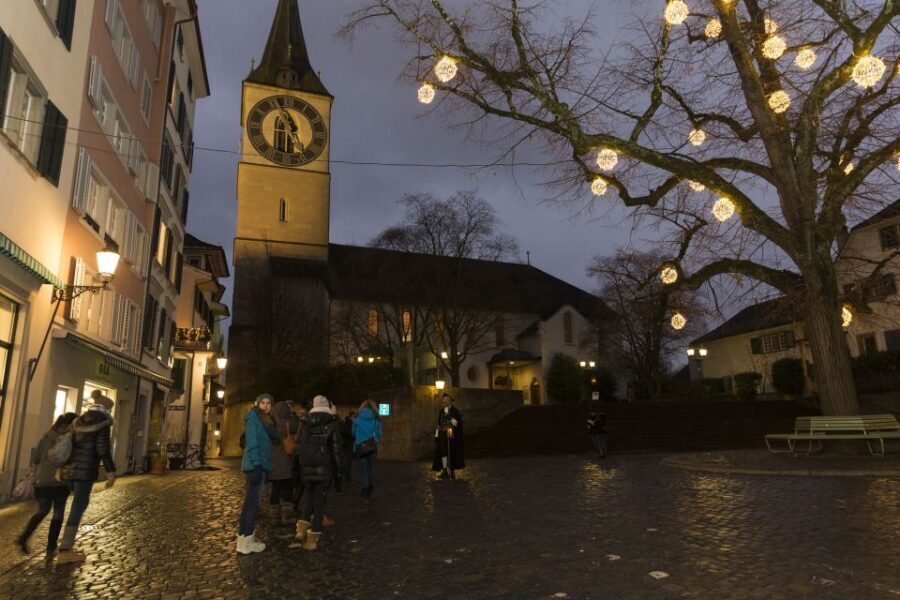
The Wasserkirche stop leans into mysteries and meaning. You learn about the church and get clues about Zurich city saints, with the kind of detail that makes old buildings feel personal instead of generic.
This is one of the best segments if you enjoy religious history, symbols, and the way faith shaped public life. Even if your background is light, the guide’s job here is to make the significance clear without getting stuck in a lecture.
Niederdorf and the Ehgraben underground: medieval necessities, literally
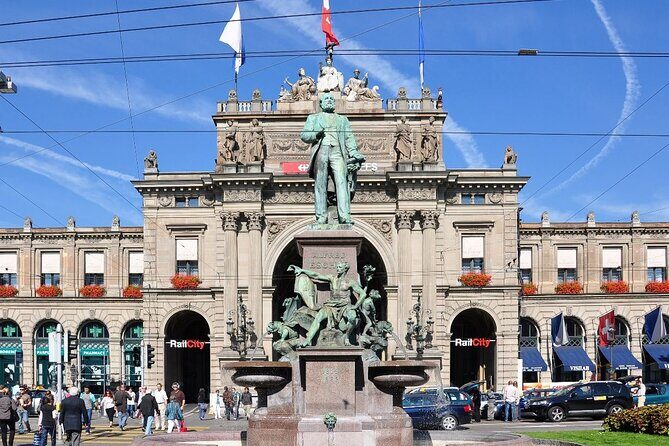
Niederdorf is where the tour gets very human. You visit the Ehgraben underground, and the focus is on medieval human necessities—how people handled daily life and basic needs in the Middle Ages.
This is the part I think you either love or you don’t. If you like history that includes ordinary routines, you’ll probably find it memorable fast. It’s also a good reminder that medieval cities weren’t just cathedrals and castles; they were messy places with real infrastructure challenges.
Depending on time, there may be a short trip to Niederdorf as well. That flexibility helps the tour feel responsive rather than rigid.
Grossmünster: Reformation in Zurich with Zwingli at the center
The final big cultural checkpoint is Grossmünster. Here you focus on the Reformation in Zurich, with Zwingli and other key pieces explained in context.
This works well after the earlier stops because you’ve already built up a sense of church influence, neighborhood identity, and civic change. When the guide brings in Reformation context, it doesn’t feel like a sudden topic swap; it feels like the next chapter of the same Zurich story.
You’ll also end around Zwingliplatz area, which is a fitting finish: you end in the part of the old town tied to the people who reshaped Zurich’s religious identity.
Pace, walking reality, and what to wear
The tour is active. You’ll walk cobblestones, deal with inclines, and there are steps plus underground segments that change the footing.
If you’re the type who gets grumpy after long museum lines, this should still suit you, because the movement keeps things light. But if you need step-free routes or flat ground only, you should think carefully before booking.
For clothing, I’d treat it like a day in central Europe: comfortable shoes you trust on uneven surfaces, a light layer, and water. If it’s warm, pace yourself—one classic Zurich challenge is heat plus stone streets.
Price and value: what $106.35 buys you
Let’s talk value without pretending the price is cheap. At $106.35 per person, you’re paying for a guided experience with a focused route, a real-time storyteller, and access to the underground stops included in the tour segments.
A big value signal here is that the listed tour stops include free admission tickets. That means you’re not constantly scanning for additional fees to keep going—your cost is mainly the guide and the experience of moving between sites.
You also get a private tour/activity setup for your group. In a city where group tours can feel crowded or generic, that private dynamic tends to make questions easier and the pacing feel more tailored.
If you like English commentary, this is also priced as an English offering. And because the tour is mobile-ticket based, you’re not stuck juggling paper instructions.
Bottom line: this is worth it if you want meaning, not just sights. If you’d rather wander with a self-guided map, you may not feel the same value.
Who should book this City Whispers Zurich walk
Book it if you want a first-day orientation that goes beyond the postcard highlights. I think it’s especially good for you if you like stories tied to specific places—rail history, shopping street origins, church context, and the underground side of Zurich.
It’s also a strong fit if you enjoy contrasts. One minute you’re at central city landmarks; the next you’re learning about early settlement origins and medieval daily life underground. That shift is the whole point.
Skip it (or adjust expectations) if you can’t handle walking on cobblestones, inclines, and steps. Even though the tour is described as doable for most people, the practical walking demands still matter.
Should you book City Whispers in Zurich?
If your goal is to understand Zurich fast and remember what you saw, I’d book this. The mix of above-ground landmarks with Roman and medieval underground themes is exactly how you get past surface-level sightseeing.
If you’re price-sensitive, look hard at what you’ll get for your time. This tour is not a short photo loop; it’s a guided story route built around a sequence of eras. For the right traveler, that makes $106.35 feel fair, especially with the included free admission segments.
If you’re cautious about walking, test your comfort first. If you’re okay with stairs and uneven streets, this one is a smart way to kick off your Zurich days with real context.
FAQ
How long is the City Whispers Zurich city tour?
It runs about 1 hour 30 minutes to 2 hours.
What language is the tour offered in?
The tour is offered in English.
Where does the tour start and end?
It starts at Zurich HB Bahnhofplatz, 8001 Zürich, Switzerland, and it ends at or around Zwinglipl. 7, 8001 Zürich, Switzerland, with the option to end at a desired location in the old town depending on the tour.
Are there admission fees for the stops?
The tour segments listed include free admission tickets for the stops.
Is this a private tour?
Yes. It’s private, so only your group will participate.
Can I cancel for a full refund?
You can cancel for free up to 24 hours in advance for a full refund. If you cancel less than 24 hours before the start time, the amount paid is not refunded.