REVIEW · ZURICH
Sato Code Escape Room across Zurich
Book on Viator →Operated by Sato Code · Bookable on Viator
One hour can feel like a lot longer when you’re solving puzzles in Zurich. Sato Code: ARES turns real city streets into the game board, so your sightseeing comes with a brain workout built in.
I love that it’s designed for active participation: you’re not just walking and reading. You’re figuring things out as you go, using the Sato Code App to piece together what your team needs.
One consideration: it depends on phones and teamwork. You need at least two participants, one smartphone each with internet, and the puzzles can be tricky for younger kids.
In This Review
- Key things I’d bet on before you book
- How the Sato Code game turns Zurich streets into puzzles
- Prime Tower meeting point and the opening move
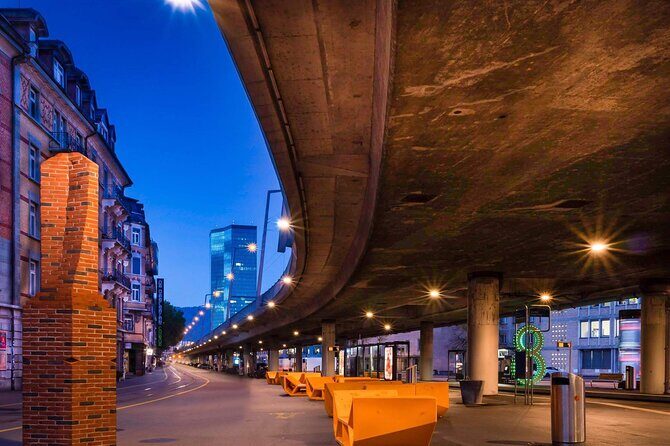
- The Hardbrücke to Industriequartier stretch: where the game starts to feel real
- Wipkingerpark and the ARES storyline you follow as you walk
- Price and time value: is $18.56 a good deal in Zurich?
- The smartphone rules: phones, internet, and your team’s information flow
- Difficulty, pacing, and why shoes matter
- Who should book Sato Code in Zurich (and who might skip it)
- Cancellation and practical expectations (quick but important)
- Should you book Sato Code: ARES in Zurich?
- FAQ
- How long is the Sato Code Escape Room across Zurich?
- Where does it start, and where does it end?
- Is it offered in English?
- How many people do I need to play?
- Do both people need a smartphone?
- Is internet required during the game?
- What ages is it suitable for?
- Do I need comfortable shoes and a certain fitness level?
- Is it a private activity, and can I cancel for free?
Key things I’d bet on before you book

- An escape room across real Zurich blocks rather than a room with walls
- Two-player setup where each phone gets different information in the app
- English gameplay (and the app is your main guide)
- An ARES storyline tied to your route through Industriequartier toward Wipkingerpark
- Comfortable shoes and moderate walking fitness help a lot
How the Sato Code game turns Zurich streets into puzzles
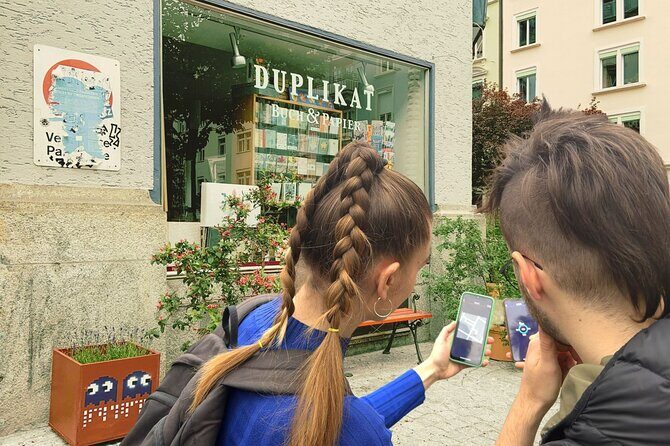
This is not a classic walking tour where you stop for history facts and move on. Instead, you move through Zurich like you’re on a mission, and the city itself becomes the set for an escape-style puzzle hunt.
The core idea is simple: each team member uses the Sato Code App and gets different details. You then combine those clues to answer the next step. That means it’s less about speed and more about communication—who has which piece, what seems important, and what you should try next.
It also feels different from a standard scavenger hunt because the game mechanics are tighter. You’re solving problems in a structured sequence, not just collecting items. If you like escape rooms, this gives you the same satisfaction—except the scenery is real Zurich streets.
And yes, it’s designed for adults with a challenge level in mind. The experience recommends age 13 and up for best results, but if you’re traveling with teens (or older kids who genuinely like brainy challenges), it can still work as a family activity.
If you're still narrowing it down, here are other tours in Zurich we've reviewed.



Prime Tower meeting point and the opening move

You start at Prime Tower (8005 Zürich). That matters because it sets the tone: you’re not meeting at some obscure corner. This is easy to anchor your plans to, and it’s practical for arriving by public transportation.
From the start point, the route begins with a walk toward Hardbrücke and then continues into the Industriequartier area. Expect the first part to feel like a “get oriented” phase—less about dramatic landmarks and more about getting your team organized and your phones ready.
A good tip here is to make sure everyone is ready before you leave the meeting point: app downloaded, internet working, and you understand who’s doing what. Once the puzzle steps start, you don’t want to lose time troubleshooting.
The Hardbrücke to Industriequartier stretch: where the game starts to feel real
After heading from Hardbrücke onward, you’ll walk through the Industriequartier, described as an industrial-hip district. This isn’t the postcard version of Zurich. It’s more of the lived-in, working-city vibe—an area that makes the game feel grounded because it’s not pretending you’re somewhere else.
In a normal guided walk, an area like this might not be the star attraction. Here, it becomes part of the challenge. The route gives you a “real world” stage for puzzles, and that’s what many players seem to love: you solve things in a genuine setting, not inside a sealed-off room.
Because the game relies on your app, you’ll likely spend some of this stretch thinking, scanning your phone screens, and comparing notes with your partner. If you and your teammate communicate well, this part feels like collaboration. If you don’t, it can turn into frustration—so be upfront with your team about how you’ll share information.
Wipkingerpark and the ARES storyline you follow as you walk
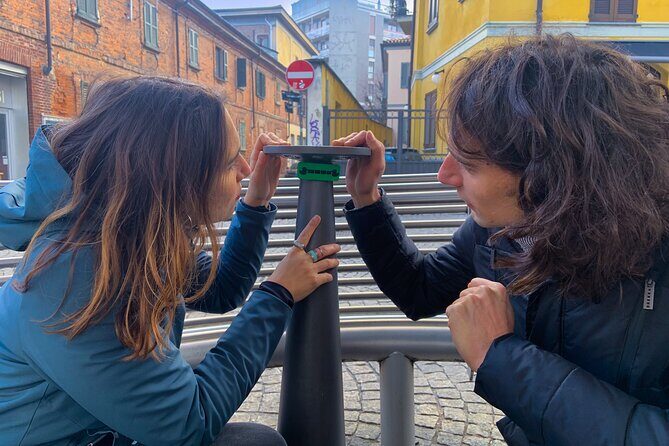
As you continue, the itinerary heads toward Wipkingerpark. The storyline behind the experience is ARES, built by the game designers specifically for this city route. Even though it’s not a history tour, the name and narrative role give you a sense of direction—like you’re not just wandering between puzzle points.
One of the strengths of this format is that the route naturally paces the experience. You’re not rushing from one indoor clue to another. You’re moving through neighborhoods, which can make the one-hour duration feel more satisfying than you might expect.
This also affects how you should plan your timing. Since it’s roughly 1 hour, you’ll want to build in a little buffer. If you arrive late, miss a connection, or lose time with app setup, you’ll feel it quickly because the puzzles don’t slow down for logistics.
Some players say they wished they had time to do part 2. That’s a good cue for your planning mindset: if there’s an option for additional rounds or extended play, leaving a little extra time around your booking could help you avoid the end-of-game “wait, that’s it?” feeling.
Price and time value: is $18.56 a good deal in Zurich?
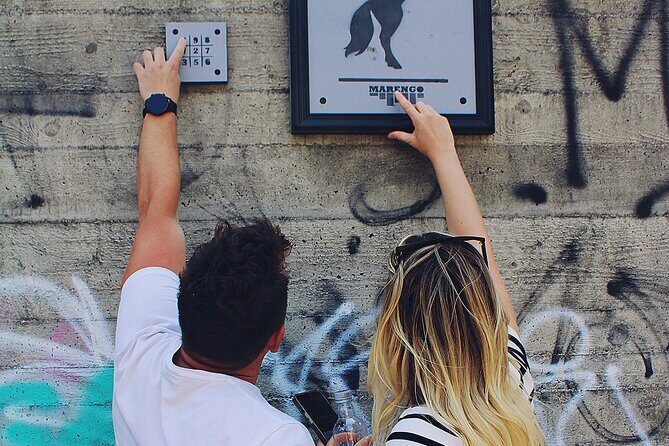
At $18.56 per person for about one hour, the value is strongest if you enjoy interactive activities. You’re paying for more than “something to do”—you’re buying a structured puzzle experience that uses Zurich as your playground.
Compared with many sightseeing add-ons, this has two advantages:
- You’re not just spending money on access—you’re spending money on a shared challenge that rewards attention and teamwork.
- The city element adds value because you’re not stuck in one room. Your route gives you movement, variety, and that “we solved it here” payoff.
The potential downside is also clear: if you’re mainly after local history or a guided explanation of Zurich sights, this isn’t built for that. The puzzles are the point. If your ideal Zurich activity is calm and informational, an escape-in-the-city format may feel too task-focused.






The smartphone rules: phones, internet, and your team’s information flow
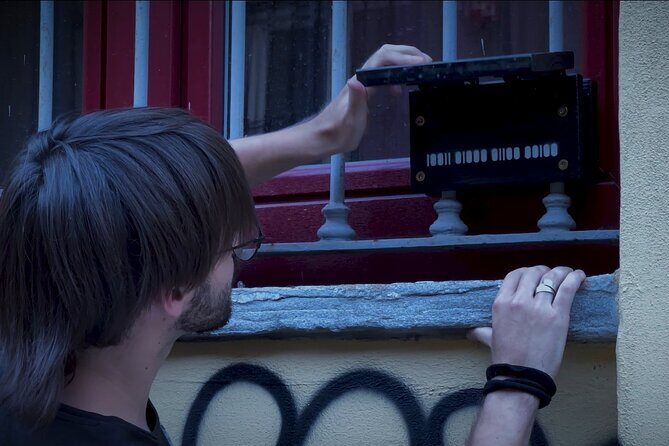
This experience is a true tech-and-team game. Here’s what you need to know so it doesn’t turn into a stressful start.
- You need at least two participants
- Each participant needs one smartphone
- The Sato Code App gives different info to each person
- Internet is required on every phone
- You’ll receive your tickets by SMS
- Keep phones charged
If only one person has internet, the guidance is to use a hotspot. That’s an important detail: don’t assume your phone will work on location without data. Plan for it. If you’re the type who relies on weak signals, this is where you might get burned.
Also, bring more than one set of phone manners. That means:
- keep brightness high enough to read what you need
- don’t close the app at the wrong moment
- agree on how you’ll share discoveries quickly
You’ll get more enjoyment if you treat it like a co-op game. One person isn’t the “boss.” It’s the team’s job to merge information and keep momentum.
Difficulty, pacing, and why shoes matter
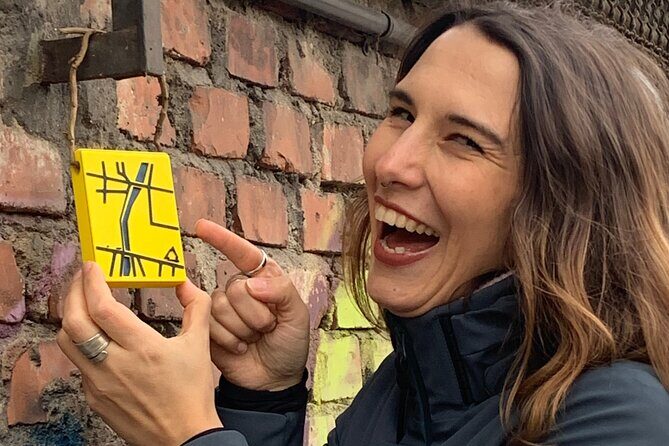
The activity recommends active participation from age 13 due to the puzzle difficulty. It also notes that it’s not recommended for children under 16 if they’re unaccompanied—likely because the puzzles may be too challenging.
Physical effort is another factor, even if it’s not a hike. You’re walking between areas, and the route goes through parts of the city rather than staying in one tight zone. So wear comfortable shoes and keep your expectations realistic about standing and walking time.
Pacing-wise, the experience is designed for a one-hour window. That means there’s not much room for slow decision-making. If your team loves debates and long tangents, you might feel the pressure. On the other hand, if you like quick hypotheses and trying different puzzle angles, the format should feel great.
Who should book Sato Code in Zurich (and who might skip it)
I think this is a strong fit if you:
- love escape rooms or puzzle games
- enjoy working through problems with a partner
- want a different Zurich activity than another museum or walking tour
- like the idea of discovering neighborhoods by navigating them, not by reading about them
It may not be the best match if you:
- want a guided, story-of-the-sights experience centered on local history
- don’t want to rely on phones and internet
- are traveling with a group that can’t manage a two-person, two-phone requirement
Because it’s private for your group, it can also be a nice choice if you want to avoid awkward group dynamics. It’s just your team doing the work.
Cancellation and practical expectations (quick but important)
The experience allows free cancellation if you cancel up to 24 hours in advance for a full refund. That gives you some breathing room if your Zurich schedule shifts.
Also note the operating window: it runs daily from 8:00 AM to 11:30 PM (within the listed date range). You can usually plan around your day, rather than trying to force this into a narrow slot.
Should you book Sato Code: ARES in Zurich?
I’d book it if you’re the kind of traveler who likes doing something, not just watching something. The big draw here is that it combines puzzle-solving with a real city route. You get that escape-room satisfaction, and you also see Zurich in a different frame—through Industriequartier energy, not just scenic viewpoints.
But decide with your group in mind. If you have two people who can commit to the app, stay in sync, and handle the challenge level, this feels like a high-value use of an hour. If your group hates phone-based games or wants a history lecture, pick a more traditional tour instead.
If you’re on the fence, my honest advice is simple: choose it when your schedule has space and your team is ready to collaborate. Then it’s exactly the kind of Zurich activity that feels fun and real at the same time.
FAQ
How long is the Sato Code Escape Room across Zurich?
It lasts about 1 hour.
Where does it start, and where does it end?
The start is Prime Tower, 8005 Zürich, Switzerland, and it ends back at the same meeting point.
Is it offered in English?
Yes. English is available.
How many people do I need to play?
You need a minimum of 2 participants.
Do both people need a smartphone?
Yes. It’s a team game and you need one smartphone per participant, plus the Sato Code App on each phone.
Is internet required during the game?
Yes. Internet is required on every phone. If only one phone has internet, the guidance is to use a hotspot.
What ages is it suitable for?
It’s recommended for age 13 and up. It’s not recommended for children under 16 to participate unaccompanied.
Do I need comfortable shoes and a certain fitness level?
Yes. You should have a moderate physical fitness level and wear comfortable shoes.
Is it a private activity, and can I cancel for free?
It’s private for your group only. You can cancel for a full refund up to 24 hours in advance.