REVIEW · ZURICH
Secret Doors of Zurich Discovery Walk
Book on GetYourGuide →Operated by LocalBini AG · Bookable on GetYourGuide
Zurich hides a few locks you can actually turn. This 2-hour secret-doors walk sends you into places most people never see, from a Middle Ages tunnel to locked basements and doorways in plain sight. I especially love the real-life adventure feel and the way the story comes alive as you move—door to door, street to basement.
The standout part is getting the key experience with a small-group Local from Zurich who keeps the pace relaxed and the focus on what matters. One thing to consider: at $180 per person, it’s a pricier “walking tour” style outing, so you’ll want to be sure you’re the kind of person who enjoys “secret access” more than typical sightseeing.
In This Review
- Key Highlights to Look Forward To
- Secret Doors in Zurich: What Makes This Different
- Meeting at Kantorei and Getting Oriented Fast
- Stop One: The Almost Invisible Middle Ages Tunnel Door
- Stop Two: 13th-Century City Wall and First Water Pipes in a Basement
- Stop Three: A Hidden Door in Park Ground Leading to Roman Fort Walls
- What Two Hours Feels Like: Pace, Questions, and Door Timing
- Price and Value: Is $180 Worth Three Secret Access Stops?
- Who This Tour Suits Best (and Who Should Skip It)
- Practical Tips: Shoes, Weather, and What Else You Might Need
- Is This the Right Kind of Zurich Experience for You?
- FAQ
- FAQ
- Where is the meeting point?
- How long is the Secret Doors of Zurich Discovery Walk?
- How big is the group?
- What languages are offered?
- What’s included in the price?
- Are museum or transport tickets included?
- What should I bring?
- Is this tour suitable for people with mobility impairments?
- Can I cancel if my plans change?
Key Highlights to Look Forward To
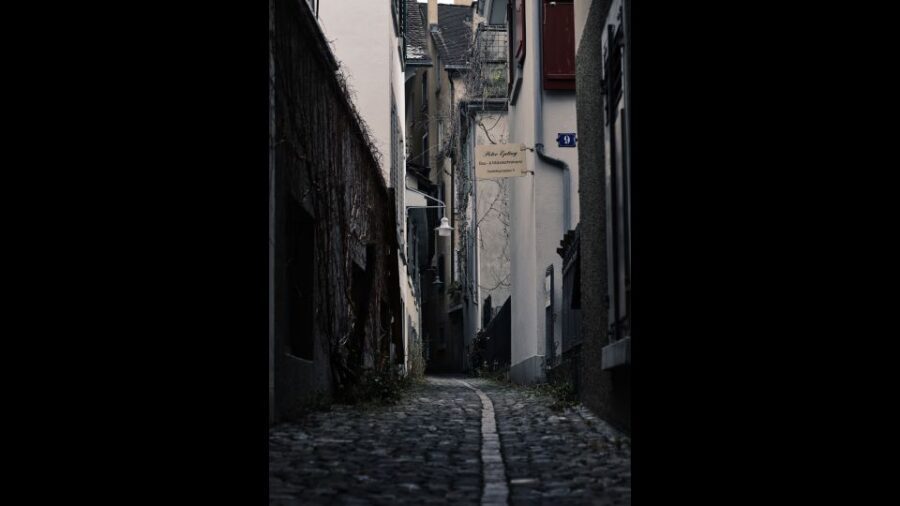
- Three locked doors, three different eras: medieval tunnel, 13th-century walls and water pipes, and Roman-fort and royal-palace remains.
- Places you can’t normally visit: you’re not just looking at history from the sidewalk.
- Small group up to 8: more time for questions and a slower, steadier pace.
- Bilingual live guide (English or German): helpful if you want the story explained clearly.
- Weather may change stops: you’ll still get the core experience, but the route can adapt.
Secret Doors in Zurich: What Makes This Different
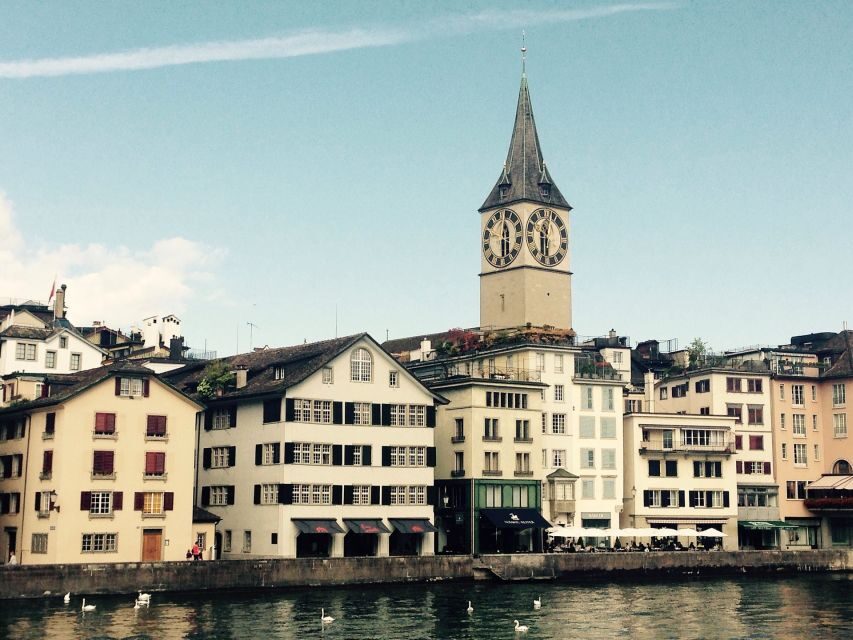
Zurich is a clean, orderly city. That’s why it’s fun when it quietly breaks character—when you find doors that don’t advertise themselves and rooms that don’t belong to a normal tourist route. This walk leans hard into that feeling. You’re not chasing a list of monuments. You’re chasing access.
What makes it work is the structure: three door moments, each tied to a different layer of the city. You start with something very Middle Ages, then you step into medieval infrastructure beneath a modern building, then you finish with deeper remnants that sit below everyday park life. It’s a smart way to learn Zurich’s past without turning it into a lecture.
And because it’s a private walking tour format in a group that can be as small as up to eight, you’re not stuck listening through a crowd. Guides can adjust pacing to match your walking pace, and they can shift emphasis toward what interests you most. If you like history that you can see where it sat, this format clicks.
Other walking tours we've reviewed in Zurich


Meeting at Kantorei and Getting Oriented Fast
You meet right in front of Kantorei. That matters because this tour’s charm depends on precision. You’ll want to arrive a few minutes early, not because you’ll be rushed, but because the whole experience depends on timing your door access.
The tour is hosted by an independent Local from Zurich, and it runs in English or German. If you’re booking for a mixed-language group, it helps to confirm which language the guide will use (English and German options are listed).
Two more practical points that affect your whole experience:
- You should wear comfortable shoes. This is not a “pretty sneakers for photos” kind of tour.
- Bring weather-appropriate clothing. Even if you’re only walking, you’ll be moving between outdoor streets and interior spaces (including a basement and a descent).
Stop One: The Almost Invisible Middle Ages Tunnel Door
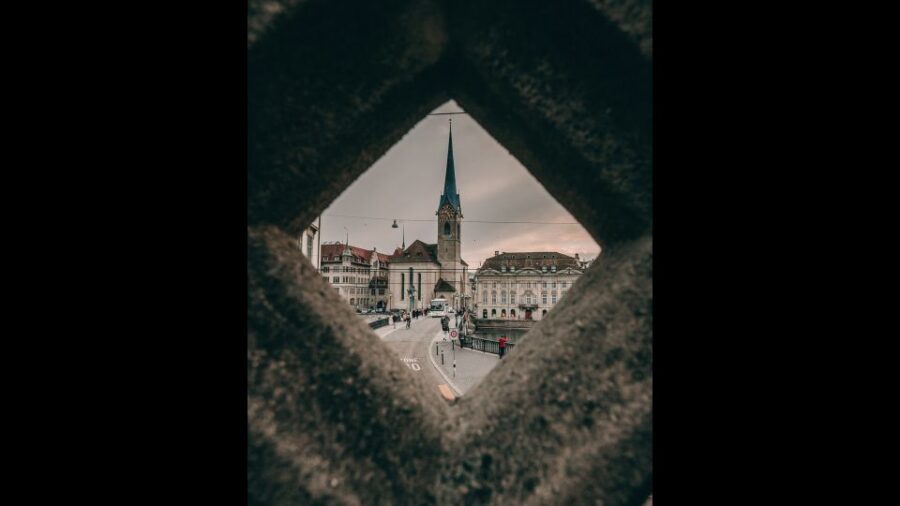
The first door is the kind that makes you stop walking and do a second look. It’s described as an almost invisible, locked door that hides a secret tunnel from the Middle Ages. The best part is the anonymity of it. Most people living in Zurich for years don’t notice or don’t know what’s there.
On a normal sightseeing route, you’d never even consider that this sort of access exists. Here, your guide sets the scene so you understand what you’re looking at—not just that it’s locked, but why it was positioned that way and what that kind of urban design meant in an earlier era.
What you’ll likely get out of this first stop:
- A quick sense of medieval Zurich’s “hidden movement,” not just its famous streets.
- The mood shift from modern city life to older city logic.
- A real door-opening moment early on, so the entire walk feels like a continuous story rather than separate photo stops.
Potential drawback: because this is a locked access experience, it’s not the best choice if you’re expecting lots of wide-open viewpoints. This tour is about doors and locations, not panoramic city views.
Stop Two: 13th-Century City Wall and First Water Pipes in a Basement
Then you move to the second big reveal: what’s essentially leftovers of the city wall from the 13th century, paired with Zurich’s first water pipes. The key detail is where it lives—hidden and locked in the basement of a modern building.
This is the stop that turns “cool secret door” into “oh wow, this is how a city worked.” Water and walls are not just background facts. They tell you how the city defended itself and how it fed its people. Seeing these remnants in a basement setting helps you understand that old infrastructure didn’t vanish cleanly. It got absorbed, covered, repurposed, or kept behind layers of later construction.
What you should watch for (without overthinking it):
- How the guide connects the physical structure to daily life in medieval Zurich.
- The contrast between modern streets above and older city systems below.
- Any explanation of how the city’s early water movement would have supported settlement and defense.
One more practical consideration: basements usually mean steps, tighter spaces, and cooler temperatures. Even with good weather outside, wear layers if you run cold. If you don’t like confined spaces, this is the stop most likely to feel a bit intense.
Stop Three: A Hidden Door in Park Ground Leading to Roman Fort Walls
For the final act, you go to a famous park area where thousands of people pass every day without realizing there’s a door in the ground. This is where the tour delivers on the everyday-magic concept: Zurich’s past isn’t tucked far away. It’s under your feet.
From that hidden ground-level door, you climb down to find historical walls connected with a Roman Fort and a Middle Ages royal palace. That time jump—Roman to medieval—does a lot of teaching work for you in just two hours. It shows how Zurich’s strategic value kept getting reused across centuries, even as the city’s rulers and needs changed.
Why this stop hits:
- It makes history feel physical, not abstract.
- You’re not only told that the city has layers—you’re literally positioned where those layers sit.
- It gives you an ending that feels like a proper “adventure chapter,” not a simple conclusion.
If you’re the kind of traveler who likes a story that rises in intensity, this is the stop to pay extra attention to. The guide’s explanation is what turns walls and stones into a timeline you can actually grasp.





What Two Hours Feels Like: Pace, Questions, and Door Timing
The tour lasts 2 hours and runs as a private walking tour with a small group (up to eight). That’s a sweet spot. Long enough to hit three access points without feeling rushed, short enough that you can still enjoy the rest of your day afterward.
It also adapts:
- The itinerary can adjust to your interests.
- The route can change with weather.
- Walking pace matters, and the guide tailors the experience accordingly.
This tour is not built for sprinting. It’s built for stopping at a door, listening, watching, and then moving. If you tend to get impatient on walking tours, you might still enjoy this because the key moments break the routine. Door to door, you get a natural reset.
Tip for your brain: don’t try to “memorize everything.” Instead, keep one question in mind as you go. For example: How did the city defend itself here? Or how did people get water? The guide’s explanations will land better when you’re listening for a purpose rather than trying to catch every detail.
Price and Value: Is $180 Worth Three Secret Access Stops?
Let’s talk money in plain language. At $180 per person for a 2-hour private/small-group walking tour, this isn’t a budget option. You’re paying for three main things:
- Access to locked spaces that normal ticketed sightseeing doesn’t include.
- A guide who can coordinate the door moments and explain what you’re seeing.
- The small-group experience, not just a crowded “walk with the masses.”
The good news is that the tour isn’t vague about what you’ll do. It clearly promises three distinct door-based stops, each tied to specific eras and remnants (Middle Ages tunnel, 13th-century wall with first water pipes, and Roman fort + medieval royal palace walls).
The “watch-out” side is also straightforward: if you’re only mildly interested in medieval infrastructure or Roman-to-medieval layers, the price can feel steep compared with standard Zurich sightseeing. In that case, you might prefer a more general walking tour and save this money for another experience.
My take: it’s good value if you like hands-on, story-led access. It’s less good value if you want only streetscapes and views.
Who This Tour Suits Best (and Who Should Skip It)
This is ideal for:
- History-minded travelers who want more than plaques.
- People who enjoy “real adventure” pacing—doors, keys, and surprises.
- Travelers who like small groups and direct conversations with a guide.
It’s not ideal for:
- Anyone with mobility impairments. This tour includes areas that require climbing down and accessing locked spaces.
- People who need nonstop open-air sightseeing. A lot of the experience is interior or partially enclosed.
If you’re traveling with teens who like quests and mysteries, it can land well, since the entire premise is basically: find the lock, use the key, learn what’s behind it.
Practical Tips: Shoes, Weather, and What Else You Might Need
You already know the basics: wear comfortable shoes, dress for weather, and be ready for some stairs or descents. But here are a few more practical notes so your day runs smoothly:
- Plan your Zurich day with this as a main activity. It’s two hours of focused story time, not a quick add-on between trains.
- Entry tickets for transportation, museums, and monuments are excluded. If you plan to connect to other sights afterward, budget separately.
- Bring a small amount of patience. Locked access moments are time-based and can be affected by conditions, which is why stops may vary with weather.
Language note: the live guide speaks English and German. If you’re in a mixed group, ask when you book which language your session will use.
Is This the Right Kind of Zurich Experience for You?
If you’re the type who enjoys uncovering how cities actually evolved, this tour is a strong match. Zurich’s reputation can make it feel overly polished, and this experience quietly reminds you that the city has layers, secrets, and practical infrastructure under the surface.
I’d tell you to book if:
- You want the thrill of opening door access rather than just reading signs.
- You like medieval and Roman timelines that connect to physical places.
- You value a small-group pace and guided interpretation.
I’d tell you to skip (or compare) if:
- You mainly care about scenic viewpoints and museums.
- The $180 price feels hard to justify for you without “standard sightseeing” included.
- Mobility is a concern, given the climb-down and access style.
FAQ
FAQ
Where is the meeting point?
You meet right in front of Kantorei.
How long is the Secret Doors of Zurich Discovery Walk?
The tour lasts 2 hours.
How big is the group?
It’s a small group with up to 8 travellers, and private or small-group options are available.
What languages are offered?
The live tour guide is available in English and German.
What’s included in the price?
The price includes a private walking tour with a live guide.
Are museum or transport tickets included?
No. Entry tickets for transportation, museums, and monuments are excluded.
What should I bring?
Bring comfortable shoes and weather-appropriate clothing.
Is this tour suitable for people with mobility impairments?
No, it is not suitable for people with mobility impairments.
Can I cancel if my plans change?
Yes. Free cancellation is available up to 24 hours in advance for a full refund.