A city tour that feels like a smart walk through time. This Zurich 360° experience strings together the big sights with surprise stops, so you get the story from Roman-era hints to modern finance, plus lots of photo-ready viewpoints. I especially like the mix of classic landmarks and the hidden spots you’d miss on your own, and I also love the hands-on Swiss tastings that make the city feel real. One thing to consider: it’s a 3.5-hour walking route on city streets, so comfortable shoes matter a lot.
You’ll meet the guide at Zürich Main Train Station (Hauptbahnhof), then move through the historical center with an English-speaking guide named Anna. The pacing is designed for a small group (max 10), and you’ll get frequent chances to ask questions. If rain is in the forecast, plan to bring an umbrella, because you’ll still be out walking.
In This Review
- Key highlights you’ll care about
- A 3.5-hour Zurich 360° walk that teaches while you wander
- Where you start at Hauptbahnhof (and why it matters)
- Bahnhofstrasse to Lindenhof: postcards with explanations
- St. Peter’s and Munsterhof: church stops that actually move the story
- Grossmünster and the Old Town lanes of Niederdorf
- The hidden side: secret access, underground remains, and old infrastructure
- Swiss tastings: cheese, chocolate, liqueur, and a special soft drink
- Price and value in expensive Zurich
- Tips to get the most out of the walk
- Who this tour suits best (and who might want a different plan)
- Should you book the Zurich hidden spots 360° walk?
- FAQ
- FAQ
- How long is the Zurich 360° city walk?
- Where does the tour start?
- Where does the tour end?
- What language is the live tour guide in?
- What’s included in the price?
- What should I bring with me?
- Is it wheelchair accessible?
- Is free cancellation available?
Key highlights you’ll care about
- A full city-center sweep in 3.5 hours that connects the dots between ancient Zurich and the modern city
- Hidden access and secret corners, including underground ruins and unusual remnants you won’t find by following signs
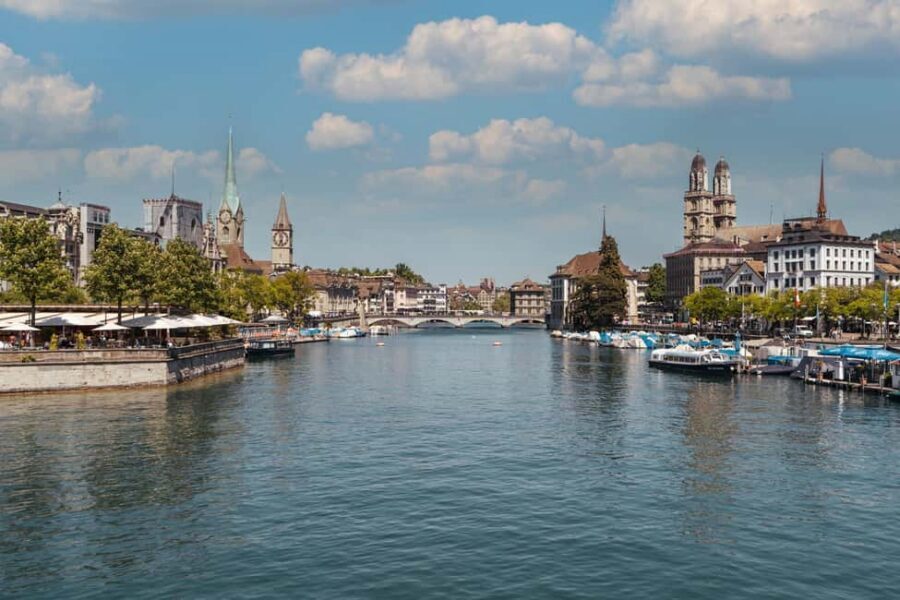
- Storied stops like Lindenhof, St. Peter’s Church, and the Old Town streets around Niederdorf
- Swissness in practice, with tastings of cheese, chocolate, Swiss liqueur, and a special soft drink
- Why Zurich and Switzerland got famous for watches, explained in a way that fits on a walking tour
- Anna as a guide, with a teacher’s style and a knack for keeping the group engaged
A 3.5-hour Zurich 360° walk that teaches while you wander
Zurich can feel like a polished postcard, but this tour is built to show you what’s underneath that surface. You get a broad sweep of the city center in about 3.5 hours, which is perfect if you want a first-day orientation without spending your whole afternoon on logistics or guidebook reading.
The real value is how the story is paced. Instead of listing facts, the guide ties places to turning points in the city: legends, Roman-era references, and the later climb into financial success. The tour also frames Zurich as a city of eight revolutions, which is a fun way to understand why the city looks the way it does now.
And yes, there’s the “Swissness” angle: you’re not just sightseeing, you’re learning why Swiss culture and Swiss products became world-famous. In particular, you’ll hear about the reasons Switzerland is seen as the number one in watch production, which makes Bahnhofstrasse and the general wealth of the city feel less random.
Other walking tours we've reviewed in Zurich


Where you start at Hauptbahnhof (and why it matters)
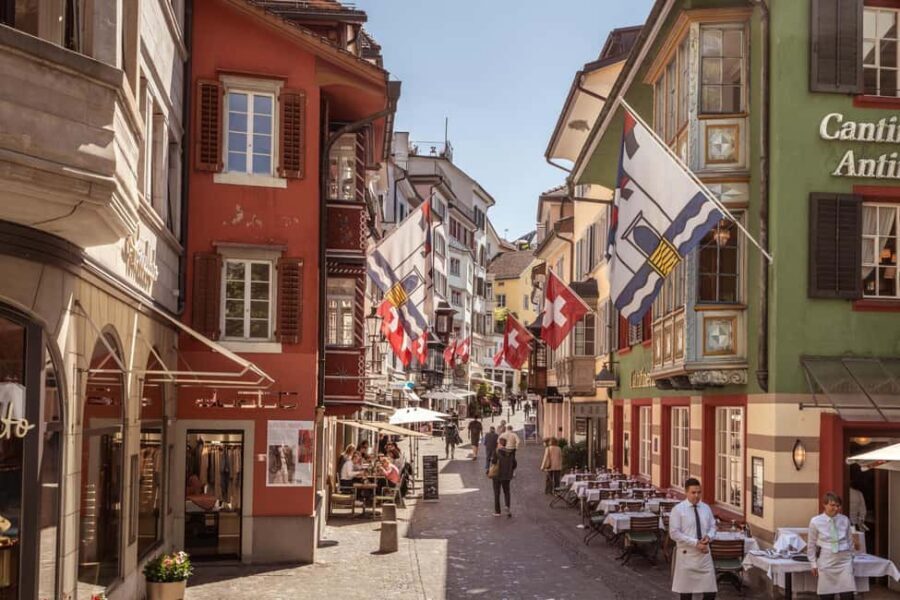
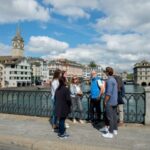
Meeting at Zürich Tourist Information in front of the Main Train Station keeps the tour simple. You’re already at the easiest transit hub in the city, so it’s less stressful for you to arrive on time and avoid a half-day chase across town.
From there, the route flows through the old center rather than zigzagging. That design matters, because Zurich’s best “walkable moments” are usually connected: station zone to elegant shopping streets, then to elevated viewpoints, then into medieval lanes. This also means you’re set up for panoramic photo opportunities as the day moves along.
Timing is also part of the value. The tour is offered in English, in a small group of up to 10, so it’s not a rushed cattle-herding situation. You can ask questions and actually get an answer in context, which makes a walking tour feel less like a checklist and more like a guided conversation.
Bahnhofstrasse to Lindenhof: postcards with explanations
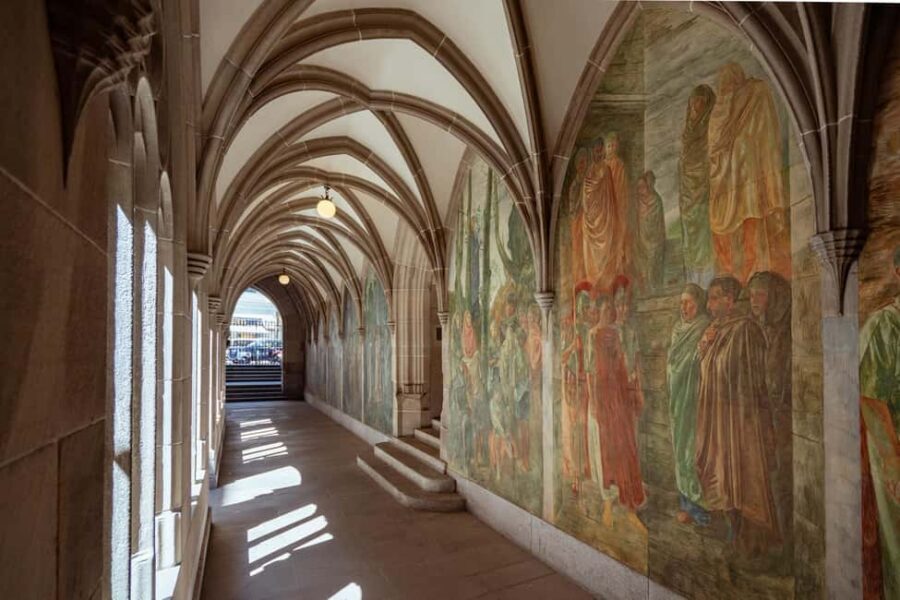
Bahnhofstrasse is the obvious Zurich choice: elegant, central, and built for strolling. On this tour, you’re not just walking past it. You’re getting context for how Zurich developed and why its wealth became visible in the city’s layout and public spaces.
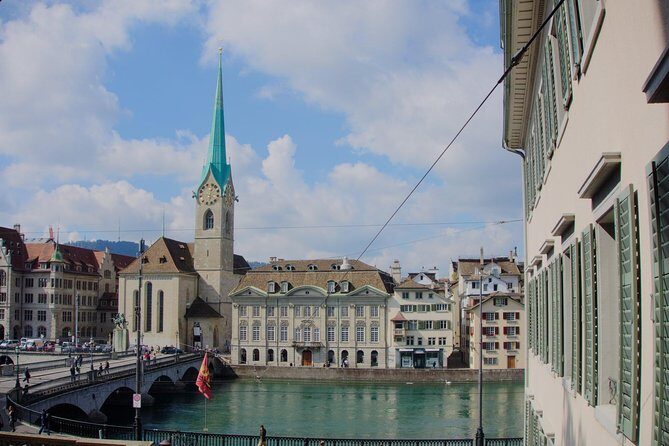
Then comes Lindenhof, which is one of the key “pause and look” moments. Expect a viewpoint that helps you understand the city’s geography, and a set of stories that connect the hilltop feeling to Zurich’s deeper past. One standout here is the way the guide frames it as a kind of miracle moment in the city—short, memorable, and tied to the bigger timeline.
If you like history but don’t want lectures, Lindenhof is a smart stop. It lets you reset your brain with a view, then return to the walking story with better understanding. The payoff is that when you later spot rooftops, river angles, and church silhouettes, you’ll already know what you’re seeing and why it matters.
St. Peter’s and Munsterhof: church stops that actually move the story
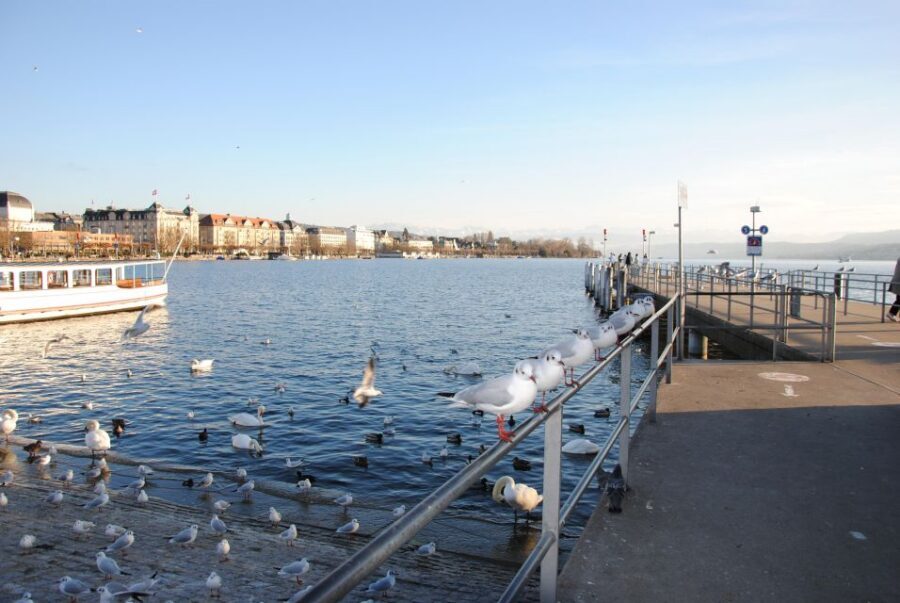
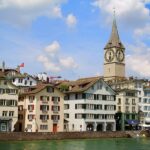
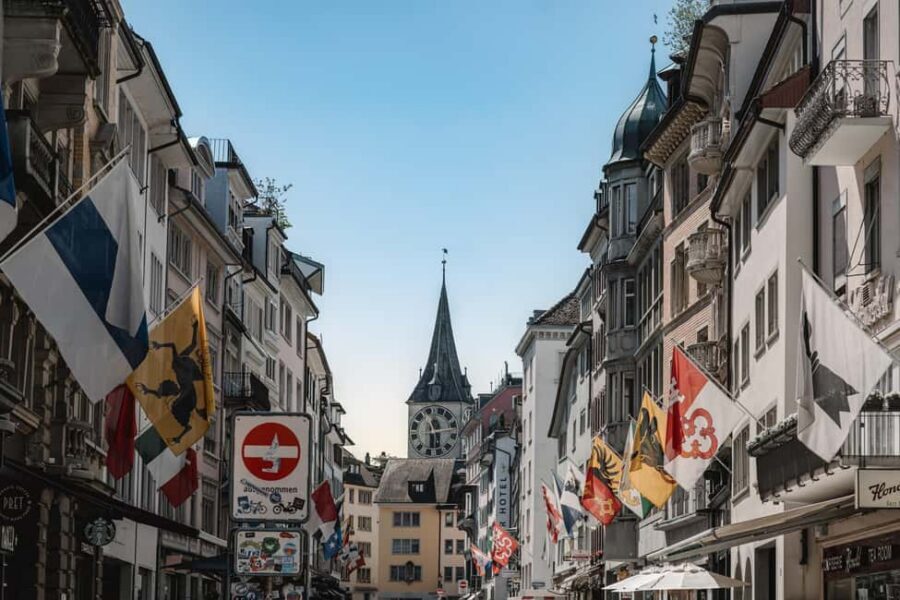
Churches can become boring fast on city walks. Not here. St. Peter’s Church gets positioned as more than an impressive façade: it’s part of how Zurich’s identity formed over centuries, with legends and background details woven into what you see.
Munsterhof is another stop where the tour leans into meaning. You get time in a square long enough to feel the space, then you’re given a thread that ties daily life around these buildings to the city’s long arc—how older Zurich became the foundation for the city you’re standing in now.
These stops also work well for your photos. You’ll capture architecture from the street level and from angles that show how the squares open up around landmarks. If you’re traveling with someone who thinks tours are “too much history,” this is where the tone helps: you’re learning, but you’re also just enjoying the urban stage set.
Grossmünster and the Old Town lanes of Niederdorf
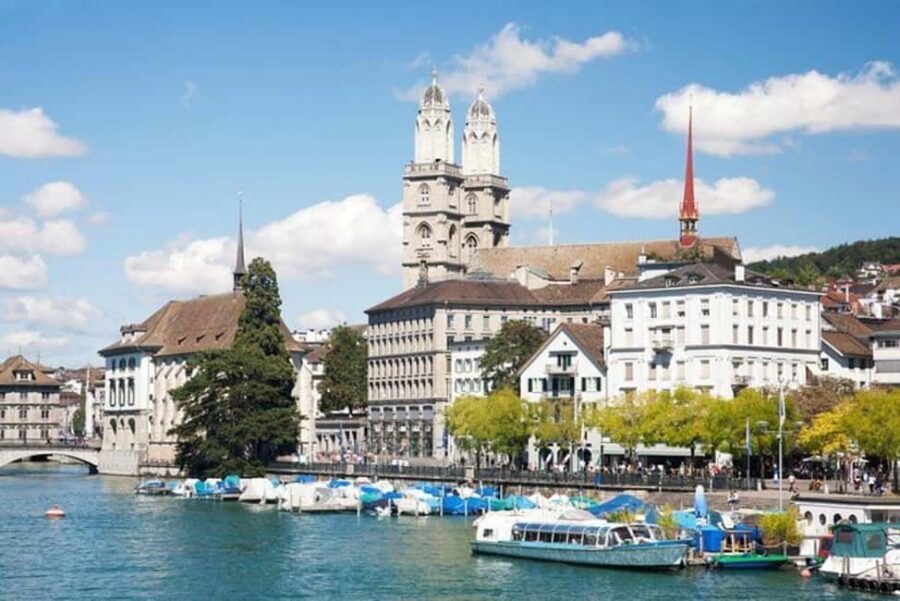
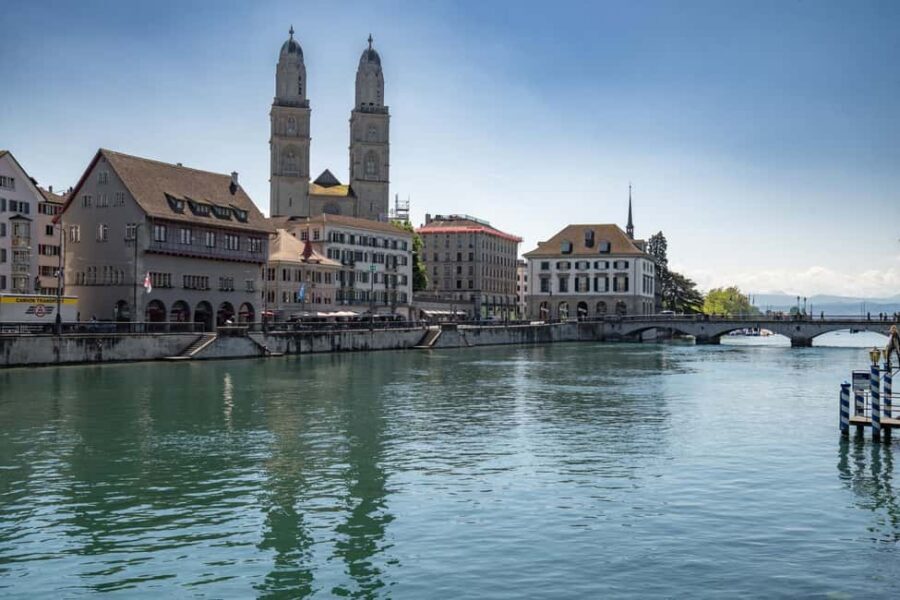
Grossmünster shows up as a classic Zurich icon, but the tour treats it like a checkpoint in a timeline. You’ll get background that links famous sites to the larger development of the city—so the sight is instantly more than a landmark sticker on your camera roll.
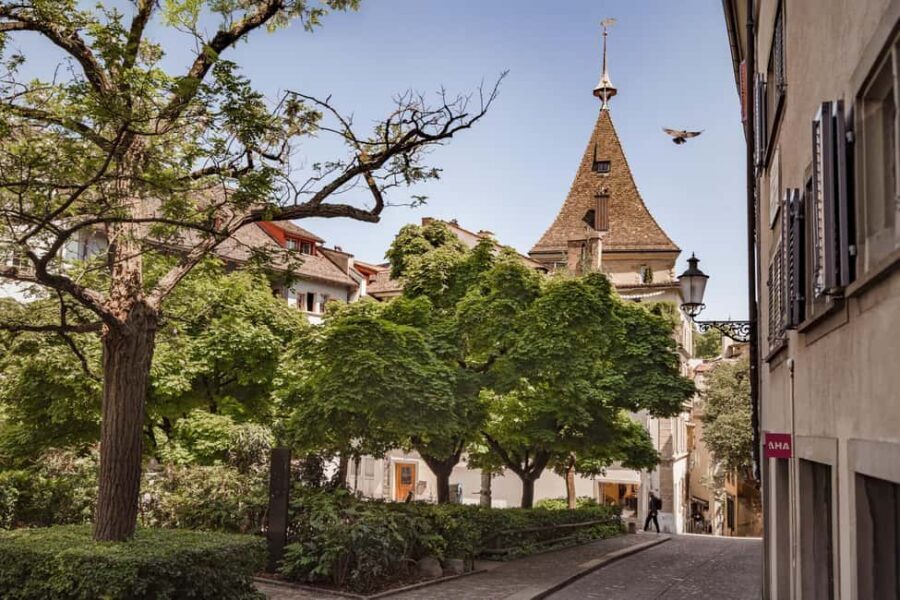
Then the tour shifts into the medieval lanes around Niederdorf, where the city feels narrower, older, and more human-scaled. This part is where you’ll start to notice the texture: stonework, street curves, small sightlines, and those little urban turns that make Zurich feel like a lived-in place instead of a museum.
This is also where the “360°” idea becomes believable. The route doesn’t just bounce between tourist highlights. It continues deeper into the old town so you feel the difference between Zurich’s modern center and the older street structure that still shapes how you walk.
If you care about atmosphere, plan to slow your pace during Niederdorf. The guide’s storytelling keeps you engaged, but the street itself deserves a few quiet moments so the medieval vibe lands.
Other city tours we've reviewed in Zurich





The hidden side: secret access, underground remains, and old infrastructure
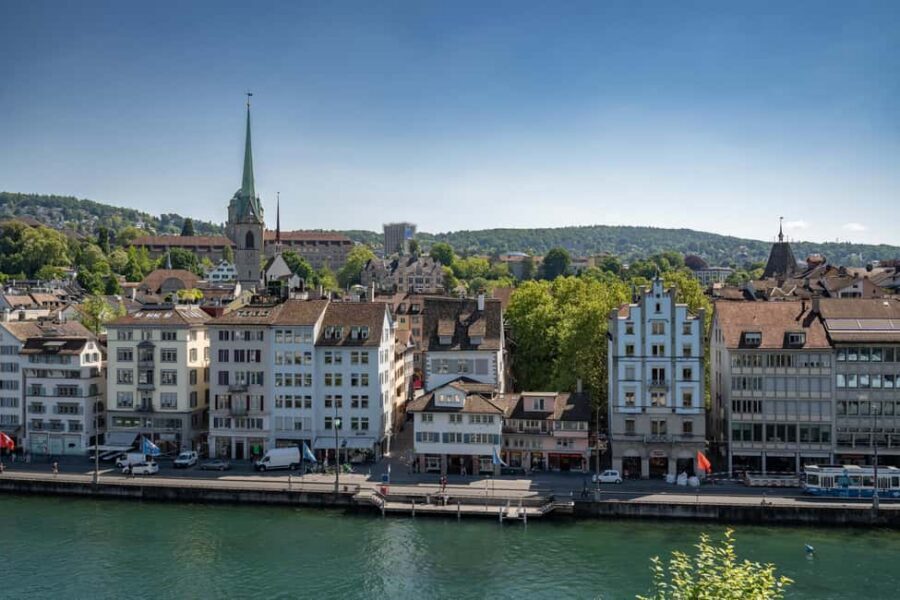
This tour earns its reputation with the hidden stuff. You’ll experience places and viewpoints that are tough to find solo—things that don’t show up if you only follow the standard postcard route.
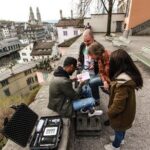
In particular, the guide may take you toward underground or semi-hidden areas linked to ancient ruins and remnants of old Zurich. Some of the most memorable moments described include access to ruins of ancient buildings and unusual older infrastructure, like old pipe systems. Even if you’re not a “history nerd,” these stops are fascinating because they reveal how a city functioned long before it became a brand.
You may also be shown original walls and small “how did they build this?” details that make Zurich feel more tangible. The biggest benefit for you is perspective: instead of thinking of old Zurich as distant or abstract, you’ll see physical layers of the city’s evolution.
This is the part that helps the tour feel like a real experience rather than a walking slideshow. And with a small group, you’re not stuck craning your neck to see what the guide is pointing at.
Swiss tastings: cheese, chocolate, liqueur, and a special soft drink

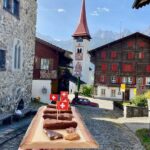
Walking in Zurich is great, but tastings are what turn a tour into something you remember. During the experience, you’ll be offered a sampling of Swiss specialities, including cheese and chocolate. You’ll also taste a famous Swiss liqueur plus a special soft drink.
Here’s why that matters: Zurich’s culinary identity is tied to the region around it, not just to a neat souvenir shop. The tastings are built to connect the city’s image of precision and quality to what people actually enjoy. You’ll taste products that match the reputation you’ve heard about, but you’ll understand them through context—where they fit into Swiss life and why they matter.
It also breaks up the walking rhythm in a good way. You get a proper pause to reset, talk, and compare flavors with the group. If you’re picky about food stops on tours, you’ll appreciate that the tastings are short and purposeful rather than dragging on.
Price and value in expensive Zurich
At $122 per person for about 3.5 hours with a live English guide, the price is in the same neighborhood as many top walking tours in Europe. Zurich is famously pricey, so the question isn’t only cost. It’s what you get for that cost.
You’re paying for three things that are hard to do alone:
- A smart route that covers the city center efficiently.
- Stories and connections that make famous landmarks feel coherent instead of random.
- Tastings that would cost extra if you planned them yourself.
The group size (up to 10) also supports the value. Smaller groups usually mean you get better attention and more chances to ask questions. That turns the tour into a better use of your time, especially if you’re here for just a few days.
If you love structure—someone mapping out where to go and what to notice—this is good value. If you prefer to wander slowly with no plan, you might find the pacing a bit full. But for most visitors trying to make sense of Zurich quickly, it’s a fair trade.
Tips to get the most out of the walk
A few practical moves will help you enjoy it even more.
- Wear comfortable shoes and accept that this is city-walking on sidewalks. The total time is short enough to be manageable, but there’s still plenty of footwork.
- Bring an umbrella. Zurich weather changes fast, and you’ll still be outside during parts of the route.
- Come with one question about Zurich history, finance, or Swiss products. The guide can connect that question to multiple stops as you go.
- Use the photo moments rather than trying to shoot everything while walking. The route includes places meant for panoramic views, and you’ll thank yourself later for taking a real pause.
Also, if your trip planning is less organized, the tour’s built-in tips help. You’ll get guidance on how to spend time in Zurich to match your interests—so the tour doesn’t end with the final street corner. It keeps pointing you toward what to do next.
Who this tour suits best (and who might want a different plan)
I think this experience fits best if you want a strong overview without doing homework. It’s ideal for first-timers who like a mix of iconic sites and surprises, and for people who enjoy learning stories while they walk.
It’s also a great match if you’re the type who wants to understand why a city is wealthy, famous, and culturally distinct. Watchmaking and Swissness are part of the narrative here, so Zurich’s prosperity isn’t treated like magic—it’s explained.
One caution: the experience is not suitable for wheelchair users. If mobility is an issue for you, you’ll want to consider an alternative format.
Should you book the Zurich hidden spots 360° walk?
Book it if you want to start your Zurich trip with clarity. This is the kind of tour that helps you spot the logic behind the city—how different centuries show up in streets, squares, churches, and viewpoints. You’ll leave with a mental map and a list of ideas for what to do next.
Pass on it if you hate structured walking routes or if you only want one or two specific monuments. This isn’t a quick peek; it’s a full city-center sweep with storytelling and tastings.
If you can handle 3.5 hours on foot and you like history told in a human way, this is a strong way to get more from Zurich without wasting time.
FAQ
FAQ
How long is the Zurich 360° city walk?
It lasts about 3.5 hours.
Where does the tour start?
You meet your guide in front of Zürich Tourist Information at Zürich Main Train Station (Hauptbahnhof, 8001 Zürich).
Where does the tour end?
The tour ends back at the station area, with Central Station described as about a 5-minute walk from the main station zone.
What language is the live tour guide in?
The tour is in English.
What’s included in the price?
A tour guide, tastings of Swiss specialities, and tips for spending time in Zurich.
What should I bring with me?
Wear comfortable shoes and bring an umbrella.
Is it wheelchair accessible?
No. It is not suitable for wheelchair users.
Is free cancellation available?
Yes, you can cancel up to 24 hours in advance for a full refund.