REVIEW · ZURICH
Zürich Private Walking Half-Day Trip with optional Lake Cruise
Book on Viator →Operated by SwissTravelGuide.ch · Bookable on Viator
Zürich clicks into focus fast. This private half-day walking trip lays out the city from Zürich HB to the Limmat, using easy public-transport hops so you get oriented without stress. I like the private guide flexibility (you can move at a human pace) and the practical transit support that makes it feel like Zurich, not a museum. The main drawback is simple: it’s a lot of walking on uneven streets, and church access can vary by day.
The optional one-hour Lake Zurich cruise is the kind of upgrade that turns a history-and-streets afternoon into a proper Zurich postcard. I also like that the tour includes key admissions where it matters, like the Fraumünster, plus an actual cruise ticket when you add it. Price can feel steep if you’re traveling solo or with just one other person, but the included transport tickets help you get your money’s worth.
In This Review
- Key things to know before you go
- Starting at Zürich HB: where the tour gets you oriented
- Bahnhofstrasse to Paradeplatz: the wealth map of central Zurich
- Lindenhof Hill: a Roman-to-Carolingian viewpoint in the middle of the city
- Fraumünster and Grossmünster: churches that explain Zurich’s soul
- Niederdorf and the medieval lanes: where Zurich feels lived-in
- Opernhaus Zurich, Bürkliplatz, and the lake promenade connection
- University of Zurich / ETH area: gaining height with transit help
- Down the Limmat: Limmatquai and the city’s walking-and-tram rhythm
- Optional Lake Zurich cruise: why that extra hour feels like a cheat code
- Price and value at $208.56 per person: when it makes sense
- Who should book this private half-day (and who should not)
- Should you book it?
- FAQ
- How long is the Zurich private walking trip?
- Is the Lake Zurich cruise included?
- Do you get pickup from your hotel?
- Is this a private tour or shared with other people?
- What language is the guide?
- What’s included in the price?
- Should you book it?
Key things to know before you go
- A private, 4-hour route that’s built for first-timers who want the big picture fast
- Streetcar/tram tickets included, so you spend time looking, not figuring out fares
- Hotel pickup and (optional) drop-off to reduce hassle in a city where every minute counts
- Fraumünster admission included and an optional Lake Zurich cruise ticket
- A flexible guide experience, with pacing that can be adjusted on the fly
Starting at Zürich HB: where the tour gets you oriented
Most Zurich tours try to start “somewhere central.” This one starts right at Zürich HB, the city’s main railway station. It’s the biggest rail hub in Switzerland, with connections across Switzerland and into neighboring countries like Germany, Italy, Austria, and France.
Why this matters: you’re in the place where you’ll likely return later, especially if you’re arriving by train or leaving for an excursion. The station also has a built-in sense of history, since it was originally created as the terminus of the Spanisch Brötli Bahn, one of Switzerland’s early internal rail lines.
If you’re jet-lagged or you’re the type who hates wandering without a plan, starting at HB helps. You’ll also feel the rhythm of Zurich right away—city energy, but organized.
Practical note: even though the station sounds like “just a stop,” it’s where the guide can set up the day: where you’re going next and how you’ll hop between neighborhoods.
Other Lake Zurich cruises in Zurich

Bahnhofstrasse to Paradeplatz: the wealth map of central Zurich
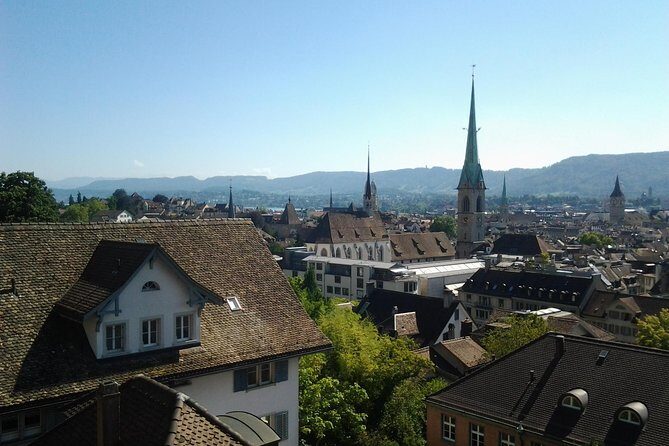
From HB, you move into the downtown spine: Bahnhofstrasse. This is Zurich’s main shopping street, and it’s famous for being expensive—so expensive it’s been studied as one of Europe’s priciest retail property streets.
Then comes Paradeplatz, another downtown anchor, known for the Swiss banking presence. This is where the headquarters of UBS and Credit Suisse sit, which makes it an easy spot to connect what you see on the street with what drives the city’s modern identity.
Here’s why I like this segment: you get contrast. Zurich isn’t only medieval lanes and church spires. It’s also finance, real estate, and a very deliberate urban plan. Even if you don’t shop, you’ll walk through the city’s “economic face” and understand why Zurich looks the way it does.
Street-level reality check: Bahnhofstrasse can be crowded depending on the time of day. If you prefer quiet, you can still enjoy the architecture and transitions, but it may not be your calmest walking moment.
Lindenhof Hill: a Roman-to-Carolingian viewpoint in the middle of the city
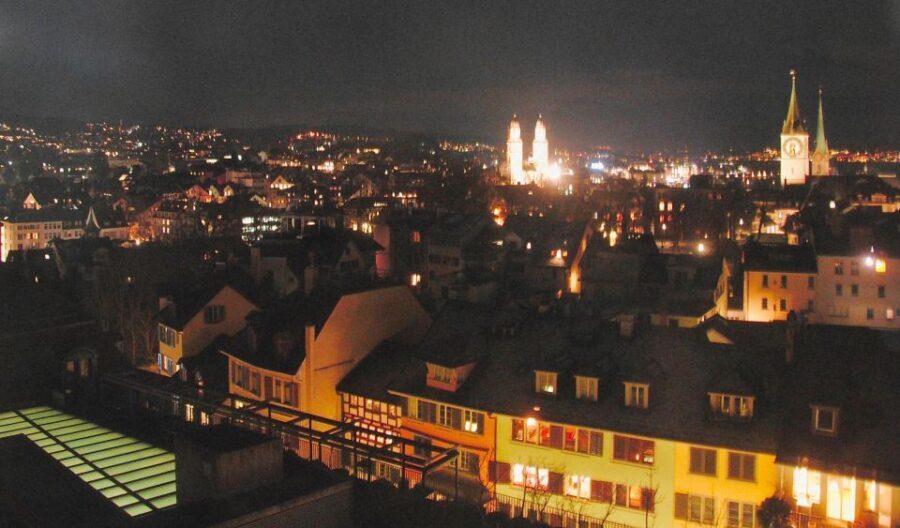
Next you head for Lindenhof Hill, a small rise in the old town that sits by the Limmat. It’s tied to major layers of the past, starting with a Roman castle site and later the Carolingian Kaiserpfalz.
This stop works because it gives you a view without demanding a full hike. You can look out over the river and old town, then understand what you’re about to walk through—streets, bends, and why the neighborhood is shaped the way it is.
If you’re a visual learner, this is a smart “reset point.” You’ll go from moving through streets to actually grasping the layout.
What to watch for: Lindenhof is on a hill, so if your shoes aren’t comfy, you’ll feel it by the end of the day. Bring good walking shoes, not just “nice-looking” ones.
Fraumünster and Grossmünster: churches that explain Zurich’s soul
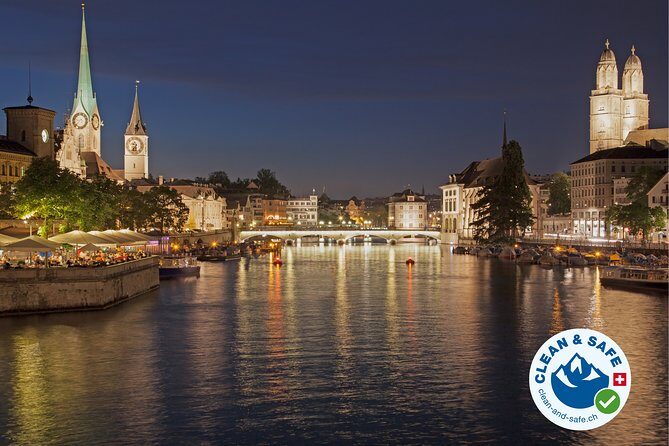
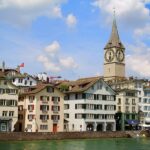
Zurich’s religious landmarks are more interesting when you see them as part of the city’s storyline. You’ll start with the Fraumünster, which was built on remains of an earlier abbey for aristocratic women. It traces back to 853, founded by Louis the German for his daughter Hildegard.
Admission is included for Fraumünster, so it’s not just a photo stop. You get at least one place where the tour’s time turns into something you can access.
Then comes the Grossmünster, a Romanesque-style Protestant church and one of Zurich’s four major churches. It belongs to the Evangelical Reformed Church of the Canton of Zurich.
One thing to keep in mind: church schedules and access can change. If something is closed or restricted on the day you go, you’ll still benefit from the guided explanation outside, but you may not get the full inside experience you were hoping for.
My practical advice: if you care a lot about entering specific churches, dress in a way that works for weather and be ready for day-to-day access differences.
Niederdorf and the medieval lanes: where Zurich feels lived-in
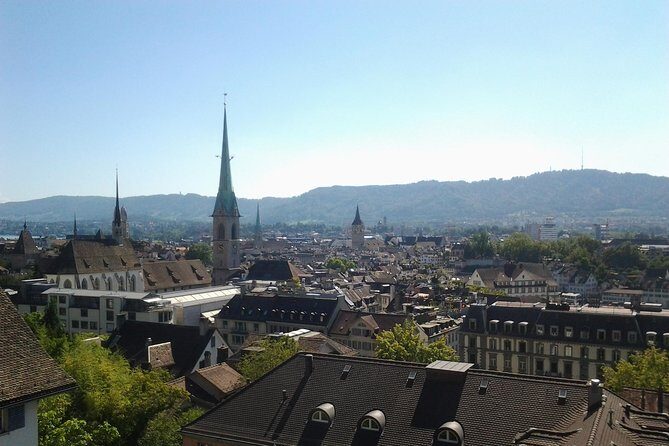
After the big landmarks, you drop into the mood of the old town, including Niederdorf. This area is known as the least developed part of the medieval city, which makes it a good contrast to the more “official” feeling of major squares and churches.
Niederdorf is where you’ll feel the day-to-day pace: small streets, historic corners, and the kind of details you’d probably skip if you were self-guiding with only a map.
I like this segment because it’s not just about names and dates. A good guide turns these lanes into a story about how people actually used to move through the city—and how Zurich still functions today.
You’ll also be close to the downtown transit and shopping zone, so it’s easy to build your own plans afterward. Some guides also add practical town tips—like helping you figure out future train tickets or spotting good places for sweets—so you leave feeling set up for the rest of your trip.
Other private and customizable tours in Zurich



Opernhaus Zurich, Bürkliplatz, and the lake promenade connection
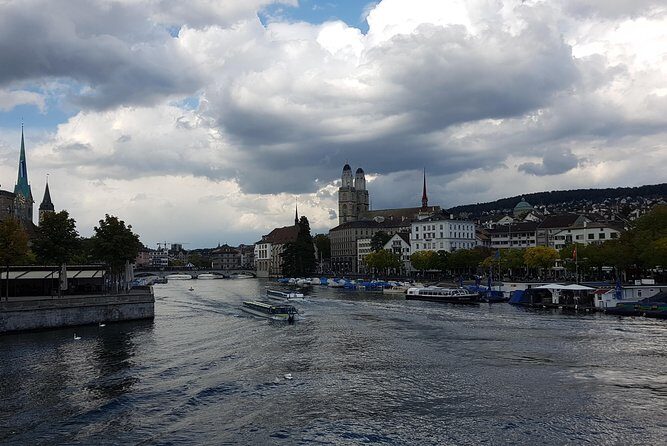
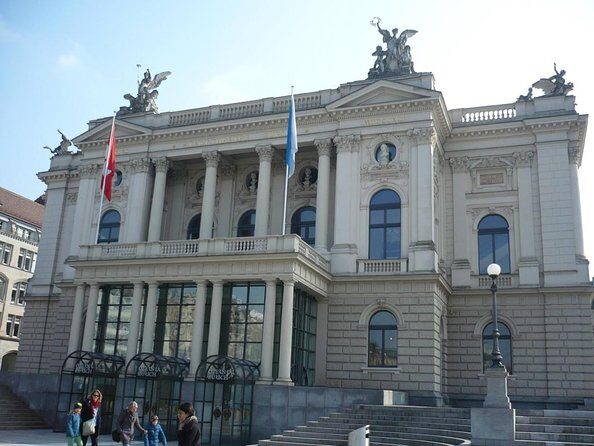
As the tour keeps moving, it layers in the cultural side of Zurich. You’ll pass the Zürich Opera House, a major stage landmark located at Sechseläutenplatz, and home to the Zürich Opera since 1891.
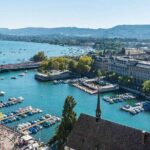
Then you head toward Bürkliplatz (Burkliplatz), a town square that’s tied to Arnold Bürkli and connected to both road and public transport. It’s also part of the lake promenade story built between 1881 and 1887, which matters because it signals the city’s “waterfront” face.
This section helps you understand how Zurich transitions from old town density to open views and lake air. Even if you’re not planning to sit by the water yet, you’ll feel the shift.
Why it’s valuable: it’s a visual bridge. When you later look at the lake from the cruise deck (or from shore), the connection won’t feel random—you’ll know exactly how the city is positioned.
University of Zurich / ETH area: gaining height with transit help
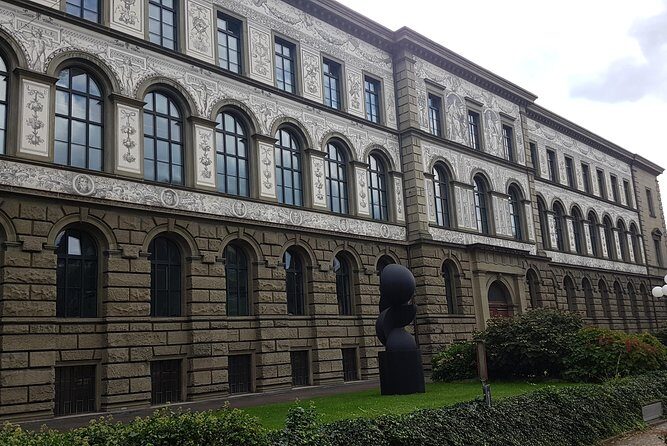
The tour includes the University of Zurich area, and ETH Zurich nearby has a worldwide reputation in science and technology. Even without getting into academic specifics, this stop gives you a change in vibe: a more outward-looking part of town where views and modern energy mix.
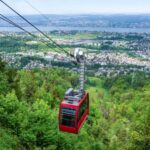
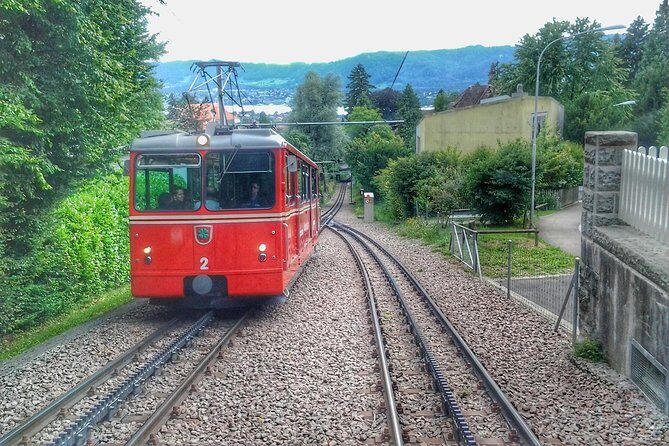
In practice, you’ll likely use short public-transport hops. Some guide styles include a ride that gives you an elevated look over the city (like a cable-car or tram-style ascent toward the University area), which makes this portion feel more like a city tour and less like a shuffle between monuments.
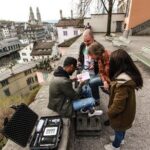
This is also where your guide can help with real-time pacing. If your group wants photos and viewpoints, you can slow down. If you want to get finished quickly, you can keep moving.
Consideration: if you dislike hills, plan for the fact that Zurich often climbs without asking permission. Good shoes matter even more here.
Down the Limmat: Limmatquai and the city’s walking-and-tram rhythm
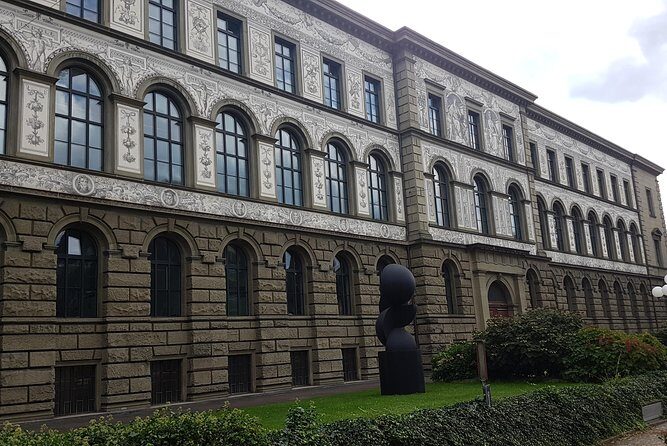
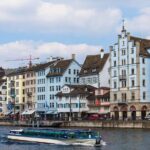
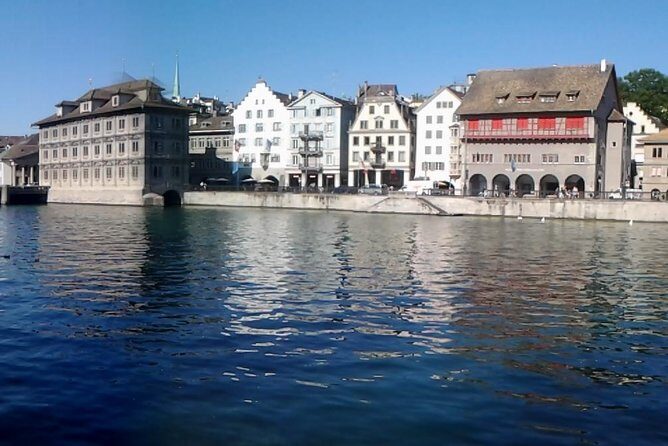
Now you move along Limmatquai, the street that follows the right-hand (eastern) bank of the Limmat through the Altstadt for about one kilometer. Parts of it are pedestrian zones shared with Zurich’s trams, which is a neat “Zurich compromise” between old street life and modern transit.
The guide’s job here is to help you notice how Zurich works: moving people efficiently while still keeping the historic character of the river corridor.
This is one of those sections where you can slow down, take a breather, and actually enjoy the river air—especially if your day has included church interiors and indoor explanations.
If you want a coffee break, this is the moment it makes sense. Some guides time things so you can pause near the water, which also helps if your group is sensitive to cold or heat.
Optional Lake Zurich cruise: why that extra hour feels like a cheat code
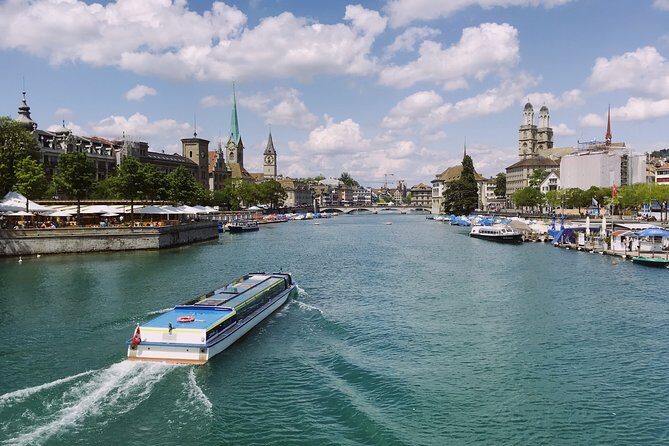
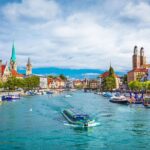
If you upgrade, the tour adds an optional one-hour Lake Zurich boat cruise along the bay of Zurich, with a cruise ticket included.
This is often the easiest “big win” of the whole afternoon. Walking in Zurich is lovely, but the lake view gives your brain a new frame. From the water, you also see how the city faces the lake rather than just sits near it.
If you’ve been in Switzerland before and already did a lake cruise elsewhere, you may decide to skip it. But if this is your first Zurich day, adding the hour is a nice way to round out the city portrait without stretching your schedule.
Weather reality: the experience is designed to run in all weather conditions, but if poor weather triggers a cancellation of the whole experience, you’ll be offered another date or a full refund. In other words, don’t count on the cruise being the single non-negotiable highlight if skies turn ugly.
Price and value at $208.56 per person: when it makes sense
At $208.56 per person for about 4 hours, this isn’t a budget tour. It’s priced like a service built around time, guide effort, and transport help.
Here’s what you’re actually buying for the money:
- Private format, meaning it’s only your group
- English-speaking Swiss guide
- Pickup and possible drop-off from your hotel via public transportation
- Streetcar tickets included, so you don’t do math mid-walk
- Admissions included at least for Fraumünster (and the cruise ticket if you choose the upgrade)
That bundle is where the value comes from. If you tried to do this yourself with transit and tickets and timed entrances, you’d still spend money—plus time. And time is Zurich’s real currency.
When it feels worth it: first-time visitors, people with tight itineraries, and anyone who wants a guided “how to move around Zurich” day—not just a checklist of sights.
When it might sting: if you want a very quiet experience with no walking at all, or if you have a group that plans to self-guide and already knows what neighborhoods it wants. In those cases, you may feel the cost more sharply.
Who should book this private half-day (and who should not)
This tour fits best if you want a guided orientation that still feels like you’re walking in real Zurich.
It’s ideal for:
- First-time visitors who want the city’s main storylines quickly
- People who like public transit and want help using it smoothly
- Anyone who would rather ask a guide for practical tips than research everything late at night
You might rethink it if:
- You don’t handle hills or long distances well (there can be about six miles of walking depending on pace)
- You’re expecting a totally “museum-style” deep-dive into one topic. This is broad and city-focused.
It also works for families, as children must be accompanied by an adult, and the tour runs in all weather conditions.
Should you book it?
I’d book this if you’re short on time and want to get oriented in a way that doesn’t feel like chaos. The route hits the big anchors—HB, Bahnhofstrasse, Lindenhof, major churches, river walk—then adds a lake cruise option that turns the day into more than just streets.
I’d skip or think twice if your group hates walking, or if your plan is already packed with other lake experiences. One-hour lake cruises can feel redundant if you’ve done them recently, so decide based on what you still want to see.
My final practical tip: bring comfy shoes, dress for cool-wind weather by the river, and when you meet your guide, ask for pacing that matches your group. In a private tour, that small conversation can make the whole day feel right.
FAQ
How long is the Zurich private walking trip?
It’s about 4 hours total.
Is the Lake Zurich cruise included?
The lake cruise is optional. If you select it, you get an included 1-hour boat cruise ticket.
Do you get pickup from your hotel?
Pickup is offered. The included details say pickup from your hotel through the tourguide by public transportation, and drop-off at your hotel after the tour if preferred.
Is this a private tour or shared with other people?
It’s private, so only your group participates.
What language is the guide?
The tour is offered with an English-speaking Swiss tourguide.
What’s included in the price?
You get the guide, pickup/drop-off (if preferred), streetcar tickets for the tour, and the relevant admissions listed in the itinerary. Food and drinks are not included.
Should you book it?
I’d book this if you want a smooth first Zurich day with real city context, easy transit, and the option to add the lake cruise for a stronger finish. If you hate walking or already have a lake cruise planned, you may still enjoy it—but you’ll get more value if you’re using the guide to help you move efficiently and see the right mix of landmarks.