
REVIEW · ZURICH
Swiss Finance Museum Admission Ticket
Book on GetYourGuide →Operated by Swiss Finance Museum · Bookable on GetYourGuide
Money has a museum case in Zurich. This ticket for the Swiss Finance Museum is a tidy one-day stop that explains how modern finance works, using exhibits that mix history with real-world questions. I like the focus on stocks and how they trade, and I also like that you can pace yourself with the interactive audio guide app.
You’ll also get access to the museum’s annually changing special exhibition. The example given, Famous – From the collection of the Finance Museum, looks at famous people like Charlie Chaplin, Maria Theresa, and Johann Wolfgang von Goethe through historical securities, which is a clever twist on what finance museums usually do. The one drawback to plan around: if you’re expecting heavy coverage of brand-new topics like Bitcoin, the museum may feel more historical and explanatory than current.
If you enjoy turning abstract topics into something you can actually picture, this is a good Zurich value. At $13 for a full day, it’s not trying to be a blockbuster, but it can be a smart use of time—especially if you like learning by connecting old paper records to today’s financial life.
In This Review
- Key Things to Know Before You Go
- Where the Swiss Finance Museum Fits in Your Zurich Day
- Permanent Exhibition: Stocks, Corporations, and 400 Years of Finance
- The Cashless Society Question: Technology Meets Old Finance
- The Audio Guide App: How to Make This Museum Feel Like Your Pace
- Special Exhibition Access: Famous Through Historical Securities
- Guided Tours in German on Tuesdays
- Price and Value: Is $13 Worth Your Zurich Time?
- Who This Museum Suits Best (and Who Might Want to Skip)
- A Practical Walk-Through: How to Plan Your Visit Day
- Should You Book This Swiss Finance Museum Ticket?
- FAQ
- Where is the Swiss Finance Museum located?
- How much is the admission ticket?
- How long is the ticket valid?
- What does my ticket include?
- Is there a guided tour included?
- Is the museum wheelchair accessible?
- Are food and drinks allowed inside?
- Are pets allowed?
- What special exhibition is included?
Key Things to Know Before You Go

- Stocks, trading, and stock exchanges are explained in ways that make the basics feel graspable.
- An exhibit asks big questions like are we headed toward a cashless society?
- The visit is self-paced with an interactive audio guide app, so you don’t need to wait for a group.
- Your admission includes the special exhibition in addition to the permanent collection.
- You can join public guided tours in German on Tuesdays from 12:30 PM to 1:30 PM (included).
- The museum is wheelchair accessible and easy to treat as a calm indoor activity.
Where the Swiss Finance Museum Fits in Your Zurich Day
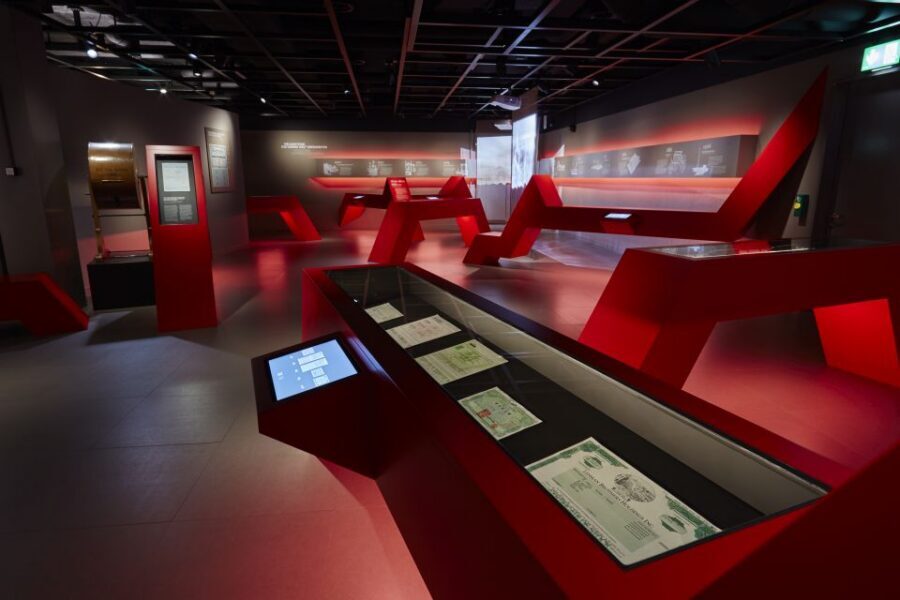
The Swiss Finance Museum sits in the Canton of Zurich, and this ticket is built for a simple plan: walk in, see the permanent exhibition, then add the special exhibition. You’re looking at a one-day ticket, so you can move at your speed instead of racing through “must-sees.”
This is the kind of museum that works well when your Zurich day already includes a mix of outdoors and neighborhoods. When the weather changes, you can shift indoors without losing your momentum. Also, the subject matter is surprisingly practical: it’s about how money systems shape companies, governments, and everyday life.
Two small planning notes: food and drinks aren’t allowed, and pets aren’t allowed (assistance dogs are fine). So if you’re mapping a half-day in town first, just grab your snack before you enter and keep your bag rules in mind.
A few more Zurich tours and experiences worth a look



Permanent Exhibition: Stocks, Corporations, and 400 Years of Finance
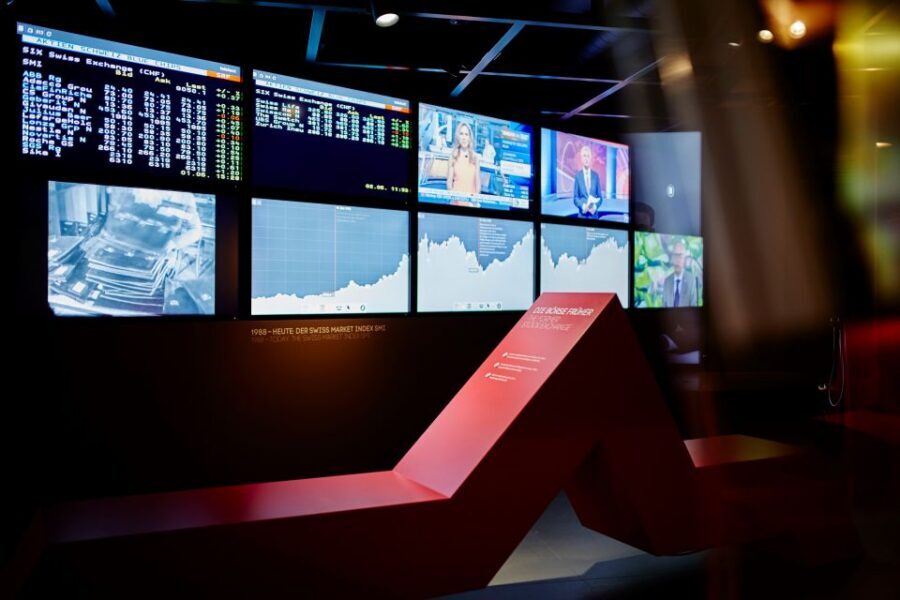
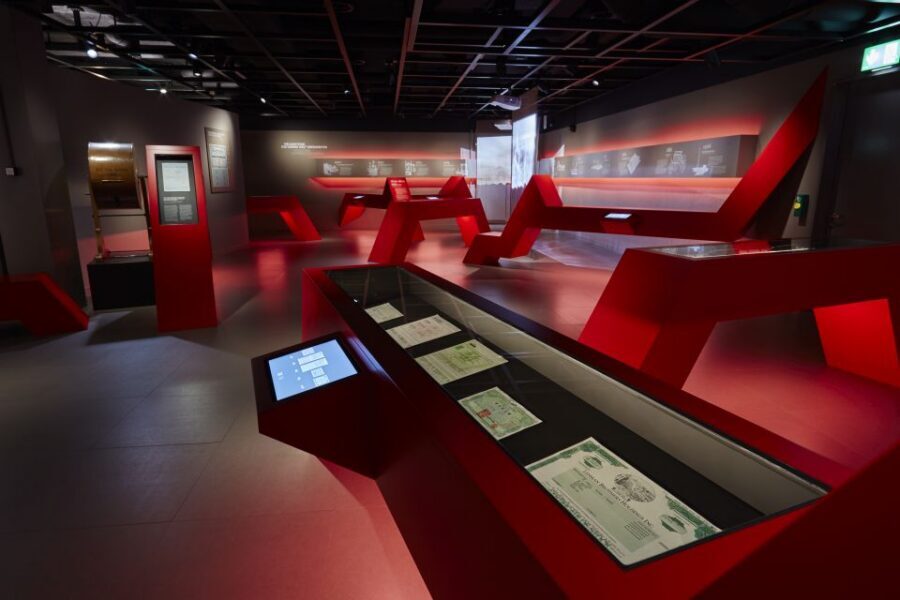
The permanent exhibition is where the museum earns its ticket price. It’s designed to take you from the roots of modern business into how big corporations formed—and then link that story to the Swiss financial market you see today.
A core theme is the idea of the first modern stock corporation and the revolutionary business ideas that made large-scale finance possible. You’ll also be able to trace the growth from earlier corporate forms (starting from the 16th century) toward today’s financial economy. In plain terms: you’ll see how the “system” was built, not just a list of names or dates.
What makes this section especially useful for you is that it targets the basics first. If stock trading feels like a foggy concept, the museum’s emphasis on what stocks are and how they’re traded on stock exchanges helps you get the vocabulary before you try to understand the news. Once you know the mechanics, you can follow the logic of financial markets—why information moves, why prices change, and why companies raise money the way they do.
You should expect a blend of formats across the galleries. The museum uses different media in both permanent and special exhibits, which usually means you won’t just be standing in front of long labels the whole time. That variety matters for attention span—especially if you’re traveling with someone who’s not “finance-curious” by default.
The Cashless Society Question: Technology Meets Old Finance
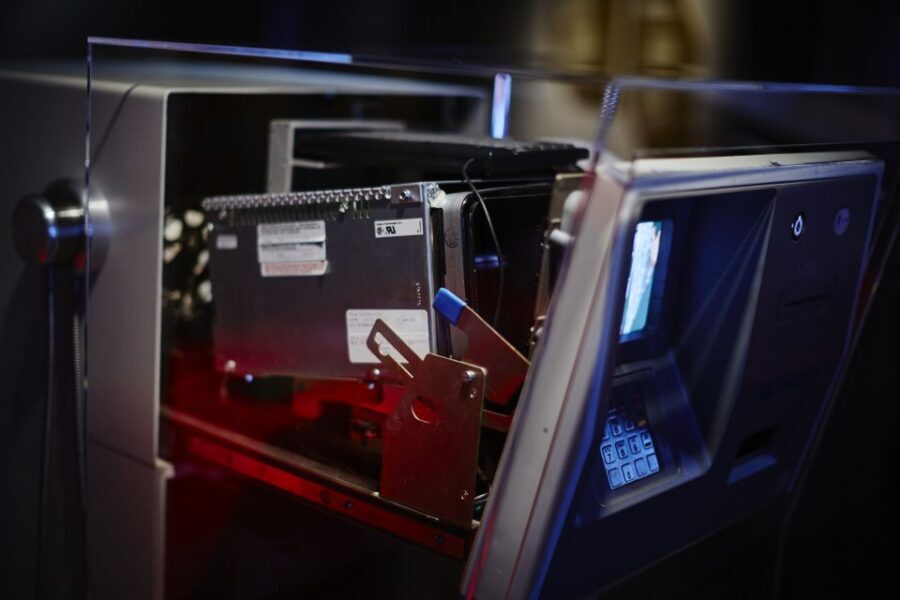
One exhibit is specifically about a modern pressure point: whether we’re headed toward a cashless society. Even if you don’t consider yourself a futurist, it’s a good exhibit to sit with because it turns a yes-or-no question into something you can reason about.
Here’s the practical value for you: you’ll connect the dots between payments and the financial systems behind them. Cashless isn’t only about cards or phones. It’s about record-keeping, trust, infrastructure, and the institutions that enable transactions to happen smoothly. If you’ve ever wondered why payments work the way they do—or why the shift to digital isn’t instant—it’s the kind of topic that turns everyday behavior into something you can actually explain.
At the same time, this kind of exhibit tends to be more reflective than technical. So if you’re hunting for a step-by-step tutorial on trading platforms or payment protocols, you might find yourself wanting more operational detail. But if you want the big picture, it’s a strong “modern life meets historical roots” moment.
The Audio Guide App: How to Make This Museum Feel Like Your Pace
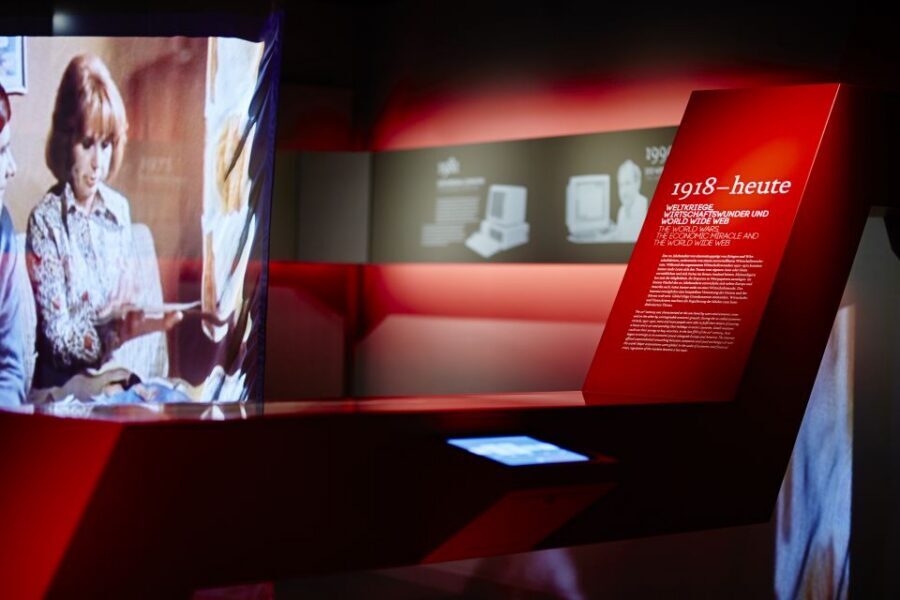
The museum visit includes access to the whole museum via an interactive audio guide app. For most travelers, this is a major quality-of-life upgrade. You don’t have to rely on a constant stream of staff explanations or follow someone else’s path.
In practice, this kind of app helps you do two things well:
- It gives context right when you’re looking at the material.
- It lets you spend extra time on the themes you care about—like how stocks work or the cashless discussion—without getting pulled away by a group schedule.
If you’re the kind of person who likes to learn in small chunks, the audio guide approach is ideal. You can do quick scans, then “zoom in” on sections you find interesting. It also makes it easier to keep kids or non-experts engaged—though you still need to manage expectations if you’re hoping for lots of hands-on trading-style activities.
Tip: give yourself enough time to use the audio guide properly. The museum is one day, but one day doesn’t have to mean “two hours and out.” Slow down enough to let the explanations land.
Special Exhibition Access: Famous Through Historical Securities

Your ticket doesn’t stop at the permanent collection. Admission also includes the museum’s annually changing special exhibition. The information provided highlights one special exhibition: Famous – From the collection of the Finance Museum, returning by popular demand starting October 18, 2019.
This exhibition is built around an interesting concept: famous people are presented through the lens of historical securities. That means the story of a person isn’t only biography. It’s also about ownership, investment, and how financial instruments intersected with real lives.
The names mentioned are a big hint about the range you can expect. You’ll see connections to Charlie Chaplin, Maria Theresa, Johann Wolfgang von Goethe, and others. For you, this is where the museum can feel more human. Finance sometimes gets taught like it’s math only. Here, it’s more like social history: who held what, why paper mattered, and how financial documents reflect power, influence, and ambition.
Potential drawback to keep in mind: special exhibitions are time-dependent. The ticket includes the special exhibit running during your visit, so what you see may differ from the Famous example described here. Still, the ticket’s structure—permanent plus special—is consistently valuable.
Other museum experiences in Zurich






Guided Tours in German on Tuesdays

If your schedule matches, there’s a public guided tour held in German every Tuesday from 12:30 PM to 1:30 PM, and it’s included in the ticket price.
This is worth planning for if you:
- prefer live explanation over apps,
- want someone to help connect themes across the galleries,
- and are comfortable enough with German to follow a tour.
If you’re not, the audio guide app can still carry most of your experience. Think of the guided tour as an optional “boost,” not the only way to enjoy the museum.
Price and Value: Is $13 Worth Your Zurich Time?

At $13 per person for a one-day visit, this ticket sits in the “reasonable budget” zone for Zurich. Zurich can be pricey, so a museum ticket that lasts all day is often a smarter spend than a short attraction with the same entrance cost.
Here’s what you’re paying for:
- a permanent exhibition that explains the Swiss financial market and links it to the development of modern finance,
- key learning goals like what stocks are and how trading works,
- a themed look at cashless society,
- plus the audio guide app access across the museum,
- and access to the special exhibition.
That combination matters for value because it isn’t just passive viewing. You’re getting multiple ways to learn: exhibits plus media, and audio guide support. If you use the app and linger through the sections on stocks and the cashless theme, you’ll likely feel like the time was used well.
Balanced note: your expectations should match the museum’s likely focus. Based on typical visitor concerns, if you want a modern, current-events style look at finance that centers on specific new tech like Bitcoin, you may feel underfed. This is more about financial systems, history, and concepts than a newsy “today’s headlines” museum.
Who This Museum Suits Best (and Who Might Want to Skip)
I think this ticket is a great fit if you’re one of these:
- You like museums that translate complex topics into clear ideas.
- You want a practical foundation for understanding financial news later.
- You enjoy history, but not in a dusty way—more like how systems form.
- You like self-paced learning where you can slow down or speed up.
It may be less satisfying if:
- you’re expecting a hands-on trading playground,
- you want lots of up-to-the-minute crypto coverage,
- or you’re visiting mainly for flashy spectacle rather than explanation.
If you’re traveling with kids, plan to treat it as an educational stop. The exhibits use different media and include an audio guide app, which can help. But set expectations for “learning-first,” not “game-first.”
A Practical Walk-Through: How to Plan Your Visit Day

Since you have a one-day ticket and access to the whole museum, I’d do it like this:
- Start with the basics sections that explain what stocks are and how they’re traded on stock exchanges. This gives you the mental map.
- Move into the themed modern question about cashless society. By the time you reach this, you’ll have better context for what you’re actually seeing.
- Use the interactive audio guide app to slow down where the exhibits click for you. Don’t feel you must listen to everything. Pick the parts that answer your curiosity.
- Add the special exhibition last, when you’re already warmed up. Famous – From the collection of the Finance Museum is a smart example of how the museum connects finance to real people.
This order matters. The permanent exhibition builds your understanding. The special exhibition can then feel like a rewarding application of those ideas.
Should You Book This Swiss Finance Museum Ticket?
Book it if you want a calm, informative Zurich indoor experience with strong learning value. For $13, you get both the permanent exhibition and the special exhibition, plus an interactive audio guide app that lets you control your pace. It’s also a solid choice if you’re curious about how stock markets work and how payment systems might evolve.
Skip or reconsider if your main goal is current crypto hot takes or lots of hands-on activities. This museum is more about the system behind the headlines than the headlines themselves.
If you’re the type who likes to understand how things work—money included—this is a smart, low-regret stop in Zurich.
FAQ
Where is the Swiss Finance Museum located?
It’s located in the Canton of Zurich, Switzerland, with the meeting point listed as the Swiss Finance Museum.
How much is the admission ticket?
The price is $13 per person.
How long is the ticket valid?
This entrance ticket is valid for 1 day.
What does my ticket include?
Your ticket includes the museum entrance fee and access to the annually changing special exhibition.
Is there a guided tour included?
Yes. Public guided tours are held in German every Tuesday from 12:30 PM to 1:30 PM, and they are included in the ticket price.
Is the museum wheelchair accessible?
Yes, the Swiss Finance Museum is wheelchair accessible.
Are food and drinks allowed inside?
No, food and drinks are not allowed.
Are pets allowed?
Pets are not allowed, but assistance dogs are allowed.
What special exhibition is included?
Your ticket includes the special exhibition running during your visit. The information provided mentions Famous – From the collection of the Finance Museum, starting on October 18, 2019.