REVIEW · ZURICH
Zermatt & Mt. Gornergrat Small Group Day Trip from Zürich
Book on Viator →Operated by SwissTravelGuide.ch · Bookable on Viator
A Matterhorn day trip is hard to beat. This one layers Zermatt charm with an all-year Gornergrat summit view, using trains instead of a bus.
I especially like how the guide helps you manage the tight rail connections and how the day mixes classic photo stops with real mountain time. The one drawback to plan for is that it’s a long day, and mountain weather can still steal the show.
You’re paying to outsource the stress. The day includes all transportation fees plus priority boarding help, which matters when you’re moving between Zürich, Visp, and Zermatt. Still, you should expect a fast pace with limited free wandering once you’re up top.
In This Review
- Key highlights you’ll feel all day
- A Zurich-to-Zermatt day that runs on trains (and time)
- Price and value: what your premium is really buying
- Morning on rails: Zürich to Visp with Bern and Lake Thun along the way
- Visp to Zermatt: the cogwheel ride that changes the mood
- Zermatt on foot: your walking block in the car-free village
- Kirchbrucke Bridge, the cemetery, and the Monte Rosa story
- Kirchbrucke bridge viewpoint (about 10 minutes)
- Mountaineer’s Cemetery (about 10 minutes)
- Hotel Monte Rosa area (short stop with historical info)
- Up to 10,000 feet: the Gornergrat cogwheel and all-year snow
- Gornergrat: what you see from 3,135 m (and why it’s worth the climb)
- Weather backup: the multi-media experience
- The biggest practical challenge: it’s a full, fast day
- Guides matter: what people repeatedly get right on this trip
- Who should book this Zermatt and Gornergrat trip from Zürich
- Should you book it?
- FAQ
- How long is the Zermatt & Mt. Gornergrat small group day trip?
- What time does the tour start from Zürich?
- Where do I meet the group?
- Is the tour in English?
- How large is the group?
- Is transportation included?
- Are meals included?
- What if the weather is poor?
- Can I cancel for a full refund?
- Is this tour accessible for service animals?
Key highlights you’ll feel all day
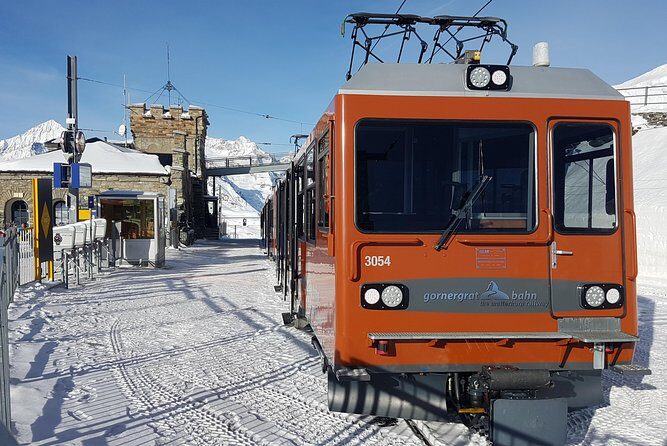
- Priority boarding and guided transfers across multiple train changes, including the cogwheel segment to Zermatt
- Zermatt’s car-free old village with photo-worthy spots like the Kirchbrucke viewpoint
- A meaningful stop at the Mountaineer’s Cemetery, where the risks of Matterhorn climbing are part of the story
- The Gornergrat cogwheel ride to all-year snow, about 30 minutes up to around 10,000 feet
- Over-20 four-thousanders viewpoints from the Gornergrat ridge, depending on conditions
- Guide-led timing that can include extra waiting for clouds to clear when the view shows up
A Zurich-to-Zermatt day that runs on trains (and time)
This is one of those Switzerland days that feels impossible until you see it on the ground: you start in Zürich, end back in Zürich, and spend your main daylight in Zermatt and on the Gornergrat ridge above the glaciers.
The big reason this works is simple. You’re not hiring a car and negotiating mountain road logic. You’re using the rail system as the whole engine of the day, with your guide coordinating the moves so you don’t waste the trip bouncing between schedules and platforms.
The trade-off is also simple: you’re moving a lot. If you hate transitions, or you want a slow, laid-back mountain lunch with hours of free roaming, you’ll likely feel the compression of an 11-to-12-hour itinerary.
Other Zermatt and Matterhorn tours from Zurich
Price and value: what your premium is really buying
Yes, this day trip costs a lot. At $756.31 per person, it’s not a casual add-on.
But the price is mostly paying for three things you’d otherwise piece together yourself:
- Guide time across the day, including help with navigating station changes
- Transportation coverage end-to-end (not just the cable car or one scenic train)
- Priority boarding pass for the Matterhorn railway segment
On a practical level, rail transfers in Switzerland aren’t hard when everything aligns. They get hard when you add crowds, short connection windows, and the kind of delays that are rare but real. The guide model is meant to reduce that risk, and it’s exactly what people praise in their comments about guides like Enzo, Martin, Ueli, Emil, Andy, and Ani keeping transfers smooth.
So the value question becomes: do you want to handle logistics yourself, or do you want the day to feel choreographed? If you’re the type who relaxes when someone else is holding the plan, this can feel like a bargain. If you’d rather save money and accept the hassle, you may feel the cost is steep.
Morning on rails: Zürich to Visp with Bern and Lake Thun along the way
The day begins at Zürich’s main transit hub (Zürich Tourist Information at Zürich Hauptbahnhof), with a start time of 8:15 am. From there, you take the train to Visp, which is about two hours.
Here’s the sneaky win: the transit isn’t just a commute. You pass through:
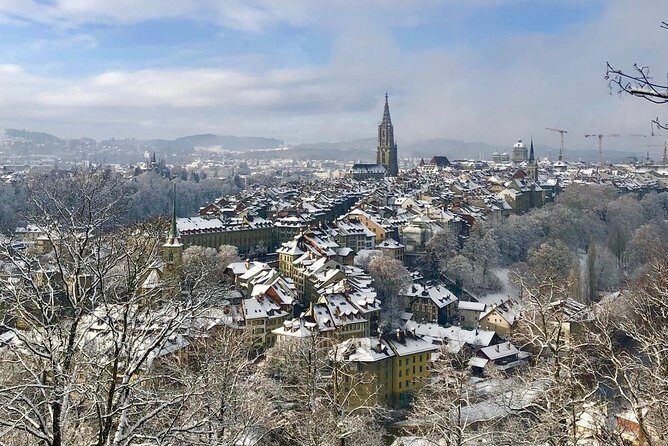
- Bern, nicknamed the Federal City. It’s the seat of major administrative institutions, so you see the capital’s “workday” character rather than only tourism sights.
- Lake Thun, a fjord-like lake on the northern edge of the Alps in the Bernese Oberland.
- The Lötschberg Base Tunnel (34.6 km), opened in 2007. It runs under the northern Alpine chain between Frutigen and Raron, and it sits on Switzerland’s New Rail Link through the Alps network.
Even if you don’t care about tunnel trivia, this matters because it frames the whole day. You’re not arriving at Zermatt already tired. You’re building momentum through the scenery and the pacing of rail travel.
Visp to Zermatt: the cogwheel ride that changes the mood
Once you arrive in Visp, you switch to the Matterhorn-Gotthard Railway. Then comes the signature segment: the cogwheel train that takes you into Zermatt in about 55 minutes.
This is where the day starts to feel like it’s about the mountains, not the schedule. The rhythm changes, the views sharpen, and you get that anticipation surge right before the village.
Also, Zermatt is car-free, so you’re stepping into a town built for pedestrians. That’s a huge part of why Zermatt feels different from other alpine destinations.
Practical tip: this is also the time to check your layers. Even in warmer months, the air up higher can bite, and you’ll spend time outdoors at multiple stops.
Zermatt on foot: your walking block in the car-free village
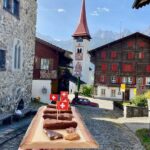
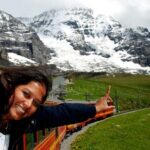
In Zermatt, you get a walking visit for about two hours through the old part of the village. The focus is on the classic look: wooden houses, tight lanes, and the kind of visual rhythm that makes you stop without forcing it.
This time block is your chance to do three things well:
- Get your bearings fast
- Shop or snack without running late
- Take photos early, before you’re pulled upward toward the views
The common compliment here is that the guide doesn’t just shepherd you from train to train. Guides like Ueli and Emil are specifically praised for steering people toward the best moments in town, including good photo angles and efficient pacing so you don’t spend half the day wandering with no plan.
A few more Zurich tours and experiences worth a look
Kirchbrucke Bridge, the cemetery, and the Monte Rosa story
After your general Zermatt walk, the day adds a few short but meaningful stops.
Kirchbrucke bridge viewpoint (about 10 minutes)
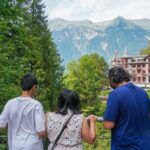
This is the quick-hit viewpoint that lines up the Matterhorn look with the classic Zermatt village vibe. It’s short on purpose because your best move is to keep your eyes open and your feet ready. In mountain towns, views aren’t only about where you stand. They’re also about timing and weather.
Mountaineer’s Cemetery (about 10 minutes)
This one adds context. The cemetery shows the history of climbing the Matterhorn and the risks involved, including accidents tied to high-alpine attempts.
It’s not a long stop, but it’s powerful. It’s also one of those reminders that turn a postcard mountain into a real, human story.
Hotel Monte Rosa area (short stop with historical info)
You also stop at the Hotel Monte Rosa, linked to the first ascent start and its associated historical tragedy. The information there helps you understand why Zermatt became such a magnet for climbers and why the Matterhorn’s reputation is both romantic and dangerous.
A balanced thought: if you only want light, pretty scenery and you’d rather skip heavier reminders of risk, you might find these stops a bit sober. But if you like meaning behind famous places, these are the parts that stick.
Up to 10,000 feet: the Gornergrat cogwheel and all-year snow
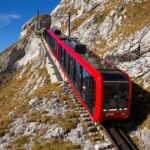
After Zermatt, you head to the Gornergrat railway area. The ride up is about 30 minutes and takes you to roughly 10,000 feet.
This is the point many people remember most. The Gornergrat is snow year-round, so even when the village is comfortable, the summit world feels different.
And it’s not just about being high. Gornergrat sits between the Gorner Glacier and the Findel Glacier, so the glaciers aren’t distant background. They’re part of the ridge view.
Gornergrat: what you see from 3,135 m (and why it’s worth the climb)
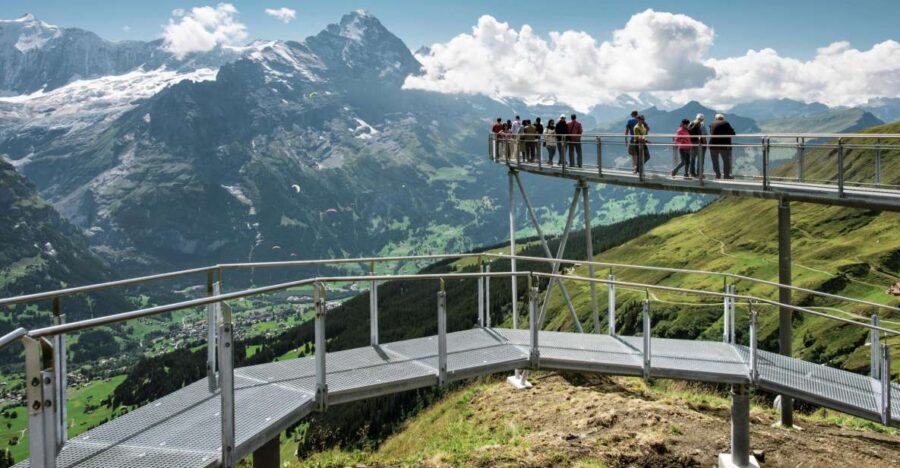
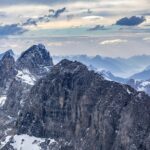
At Gornergrat (3,135 m), you’re on a mountain ridge with views of more than 20 four-thousanders, including Monte Rosa, the Matterhorn, and Liskamm.
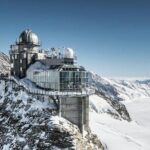
The train climbs from Zermatt at 1,620 m to the terminus around 3,089 m, ending near the Kulmhotel, described as the highest mountain hotel in Switzerland.
When the weather cooperates, this is the day’s payoff:
- You can look for the Matterhorn from the ridge viewpoint.
- You can see how the glaciers spread across the slopes below.
- You get the sense of scale that you never get from photos.
Weather backup: the multi-media experience
If conditions are poor, there’s an indoor option at the Gornergrat area: a multi-media experience world that shows the Matterhorn and the surrounding alpine world in different dimensions. It’s a useful plan B when fog or clouds steal the crisp mountain edges.
The key to managing this part of the day is mindset: don’t assume you get one perfect look and then you’re done. Many guides keep people attentive at viewpoints until clouds shift, and that kind of timing is one of the reasons people sing praises for guides like Enzo and Uli.
The biggest practical challenge: it’s a full, fast day
Let’s be honest. This is not a leisurely outing. You’re out around 11 to 12 hours, and your day is built around train segments that can stack up.
Some people love the ride-and-see flow. Others feel the same thing as a disappointment: long travel blocks and limited time on-site.
Here’s how to decide if you’ll enjoy that pace:
- If you enjoy train travel, and you’re happy with “see it today, remember it later,” you’ll probably love the structure.
- If you want extended free time at the top, or you get stressed when the schedule is tight, you may feel boxed in.
Also, meals aren’t included. You’ll need to plan for lunch on your own at restaurants along the way.
My practical advice: treat the day like a mountain expedition, not a city stroll. Bring a few snacks you like, and save energy for the viewpoints.
Guides matter: what people repeatedly get right on this trip
The consistent theme in feedback is that the guide makes the difference between a stressful station hunt and a smooth flow.
You’ll likely meet different guides depending on the day, but names mentioned in feedback include Enzo, Martin, Ueli/Uli, Emil, Andy, and Ani. The praised strengths tend to be:
- Keeping the group together through transfers
- Running ahead or moving quickly to secure good seating when possible
- Timing stops so you see the best views when clouds open
- Offering help when someone has mobility needs
One additional, small thing: guides have been known to help with food choices too, including steering people toward a good lunch option. That can matter when you’re short on time and want the day to feel easy.
Who should book this Zermatt and Gornergrat trip from Zürich
This tour is a strong fit for:
- First-timers to Zermatt who want the maximum highlights in one day
- People who prefer trains over driving
- Anyone who values a plan handled for them, including rail changes and prioritized boarding
- Visitors who want both Zermatt village time and a serious high-mountain viewpoint
It might be less ideal if:
- You’re trying to minimize time on trains and prefer long stays at one location
- You dislike fast pacing and tight connection windows
- You’re very budget-focused and want to build the route independently
The honest bottom line is that you’re buying convenience and coordination. If those are worth it to you, the day can feel like a win.
Should you book it?
If your dream is to see Zermatt and get up to Gornergrat for major Matterhorn views, booking this day trip is a practical choice from Zürich. The included transport coverage, small-group size (maximum 15), and guide-led transfers are exactly what turns a tough logistics day into a manageable one.
My advice: book it with weather awareness. The Matterhorn can hide when clouds move in, and your success depends on conditions. But even when the peak view is elusive, the glaciers, ridge views, and the story stops around Zermatt still make the day meaningful.
If you can handle a long day and you’d rather not wrestle train connections alone, this is a solid way to do it.
FAQ
How long is the Zermatt & Mt. Gornergrat small group day trip?
It runs about 11 to 12 hours.
What time does the tour start from Zürich?
It starts at 8:15 am.
Where do I meet the group?
The meeting point is Zürich Tourist Information at Zürich Hauptbahnhof (8001 Zürich).
Is the tour in English?
Yes, it is offered in English.
How large is the group?
The tour has a maximum of 15 travelers.
Is transportation included?
Yes. All transportation fees are included, and there is also a priority boarding pass for the Matterhorn railway segment.
Are meals included?
No. Food and drinks are not included, and you’ll have lunch options during the day.
What if the weather is poor?
The experience requires good weather. If it’s canceled due to poor weather, you’ll be offered another date or a full refund.
Can I cancel for a full refund?
Yes. You can cancel up to 24 hours in advance for a full refund.
Is this tour accessible for service animals?
Service animals are allowed.
If you tell me your travel month and whether you’re going with kids or anyone with limited mobility, I can suggest the most realistic expectations for the Matterhorn view and how to pace the day.